Picture this: It’s Wednesday afternoon, and you’re dragging through the day with that familiar mid-week slump—heavy eyelids, tight shoulders, and a mind buzzing from back-to-back tasks. Sound familiar? The good news is you don’t need hours at the gym or a full spa day to bounce back. Just 30 minutes spread across your week, blending gentle movement and simple rest, can help restore your energy and lift your mood.
This plan is all about small, feel-good wins that fit right into your routine, like a quick breather during lunch or a soft stretch before bed. Drawing from science-informed wellness, it taps into how our bodies respond to balanced rhythms—movement to spark circulation, rest to ease stress. You’ll get upbeat visuals, easy instructions, and a flexible planner to build confidence step by step.
Think of it as tuning your body’s natural playlist: short bursts keep things light and sustainable. No equipment needed, just you and a bit of space. Preview the sections ahead—we’ll cover why it works, body signals to watch, effortless ideas, a weekly table planner, tweaks, wins, and FAQs. Ready to feel steadier? Let’s ease in together.
Why Short Bursts of Rest and Movement Restore Your Rhythm
Gentle movement often boosts blood flow, carrying oxygen to your muscles and brain, which can spark endorphins for a natural mood lift. Rest, on the other hand, helps dial down cortisol, that stress hormone that builds up from daily hustle. Together in short doses, they support your circadian rhythm, the body’s internal clock that influences sleep and energy.
Imagine your breath steadying as you move, or your mind quieting during rest—like a soft reset button. Studies show these practices may improve sleep quality when timed with natural light cues. It’s not about perfection; even small habits tend to build resilience over time.
Visualize a calm wave: movement lifts you up, rest brings you down gently. This balance can help regulate your stress response, making days feel smoother. You’ll notice it in subtle shifts, like easier focus or lighter steps.
Spotting Your Body’s Signals for Rest or Motion
Your body speaks clearly if you pause to listen—fatigue might show as yawns or heavy limbs, signaling rest time. Stiffness in your neck or back? That’s often a cue for gentle motion to loosen things up. Try a quick daily check-in: sit tall, scan from head to toe, note what feels tight or tired.
Evidence suggests tuning into these signals aligns with your autonomic nervous system, which handles rest-and-digest versus fight-or-flight modes. Jot mood or energy on a phone note—scale of 1-5 works great. This simple tracking builds awareness without overwhelm.
Scenario: After a desk-heavy morning, shoulders hunch—opt for motion. Evening slump? Choose rest. Experiment and see patterns emerge, like post-lunch dips. Track for a week; you’ll spot your rhythm fast.
Building Blocks: Movement Ideas That Feel Effortless
Start with arm swings: Stand tall, swing arms forward and back like soft windmills, 10 times each way. Feel your shoulders open, chest expand—perfect for 5 minutes anytime. Picture sunlight filtering through as you move; it invites fresh energy.
Gentle neck rolls: Drop chin to chest, roll ear to shoulder slowly, 5 per side. Breathe deep, release tension like melting ice. Great desk break, builds neck ease over days.
Seated leg lifts: Sit, lift one knee toward chest, lower slowly, 10 reps per leg. Engages core lightly, wakes lower body. Visualize a photo of relaxed flow, no strain.
Easy march in place: Lift knees gently, swing arms, 5 minutes. Boosts heart rate softly, like a fun warm-up. Pair with favorite tune for joy—confidence grows with each step.
Rest Practices That Quiet the Mind in Moments
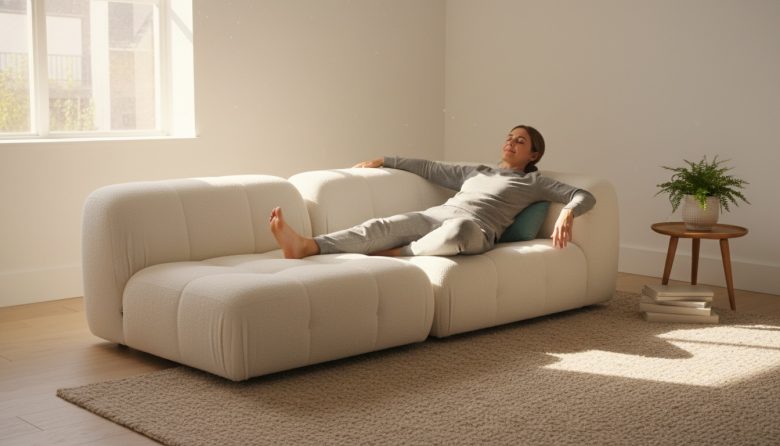
Legs-up-wall pose: Lie back, legs vertical against wall, arms relaxed. Breathe slow for 5 minutes—stress melts away. Imagine a photo of serene support, gravity doing the work.
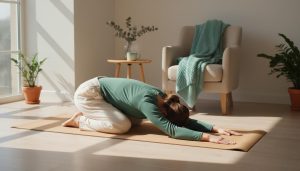
Seated forward fold: Sit, hinge at hips, let arms drape, hold 3-5 breaths. Eases back, quiets chatter. Soft bend only; feel lengthening like a gentle hug.
Palms-to-eyes rest: Rub palms warm, cup over closed eyes softly. Breathe deeply 2 minutes. Blocks light, invites calm—like a mini-vacation for your senses.
4-7-8 breath: Inhale 4 counts, hold 7, exhale 8. Repeat 4 times. Slows heart rate, often eases anxiety. Picture waves receding, mind following suit.
Your 30-Minute Weekly Rest + Movement Planner
| Day | Activity | Type | Duration (mins) | Notes/Check |
|---|---|---|---|---|
| Monday | Gentle neck rolls | Movement | 5 | After coffee—note energy [ ] |
| Tuesday | Palms-to-eyes rest | Rest | 5 | Mid-morning breather [ ] |
| Wednesday | Easy march in place | Movement | 5 | Lunch reset [ ] |
| Thursday | Legs-up-wall pose | Rest | 5 | Evening wind-down [ ] |
| Friday | Arm swings | Movement | 5 | Boost weekend vibe [ ] |
| Saturday | Seated forward fold | Rest | 3 | Morning ease [ ] |
| Sunday | Seated leg lifts + 4-7-8 breath | Mixed | 2 | Quick combo review [ ] |
This table spreads your 30 minutes across the week for steady flow—check off as you go, like ticking a fun to-do. Customize freely: swap activities based on signals, add notes on mood. It visualizes progress at a glance.
Safety note: These are gentle, but pause if dizzy or sharp pain hits. Consult a doctor for chronic issues or injuries—listen to your body always.
Tweaking Your Plan for Real-Life Flow
Mix and match: If mornings suit movement, slot arm swings early; evenings for rest. Track simple signals post-activity—energy up? Keep it. Ties nicely into a beginner’s guide to balanced everyday meals, fueling your efforts.
Busy day? Shorten to 3 minutes, build back. Experiment weekly: note what sparks joy. Flow comes from flexibility, not rigidity.
Pair with hydration cues, like from 10 easy ways to stay hydrated all day long, for amplified refresh. Adjust for your life—small tweaks yield big steadiness.
Common Wins and Gentle Adjustments
Many feel lighter shoulders by day three, mood steadying mid-week. One beginner shared: “My afternoons perked up—no more slumps!” Progress builds quietly through consistency.
If energy lifts, add variety like how to incorporate gentle stretches into your busy day. Scale gently: more time only when confident. Celebrate subtle shifts, like deeper breaths.
Plateau? Review notes, tweak one thing. Wins stack: better sleep, calmer days. You’re crafting your rhythm—keep it light and motivating.
Frequently Asked Questions
Can I do all 30 minutes in one day instead?
Spreading it out often supports steadier benefits by matching your natural rhythms, but listen to your energy. If one day feels right, try a 30-minute flow of mixed activities. Start small to avoid fatigue—track how you feel after.
What if I miss a day?
No worries at all; life happens, and consistency grows over weeks, not daily perfection. Just pick up the next day with your signal check-in. This builds gentle habits without guilt, focusing on the flow.
Is this safe for beginners or those with injuries?
Yes, designed super gentle with modifications in mind—always move slow, no forcing. Tune into pain signals and stop if needed; beginners thrive here. Check with a doctor for specific injuries or conditions to personalize safely.
How soon will I notice changes?
Many sense lighter mood or energy in 3-7 days, but it varies by person. Track simple signals like post-activity vibe to spot your patterns. Patience pays off—small wins compound beautifully.
Can I add more time later?
Absolutely, once comfortable, experiment by adding 2-5 minutes gradually to prevent overload. Watch body cues to stay balanced. This scales with your growing confidence, keeping it feel-good.