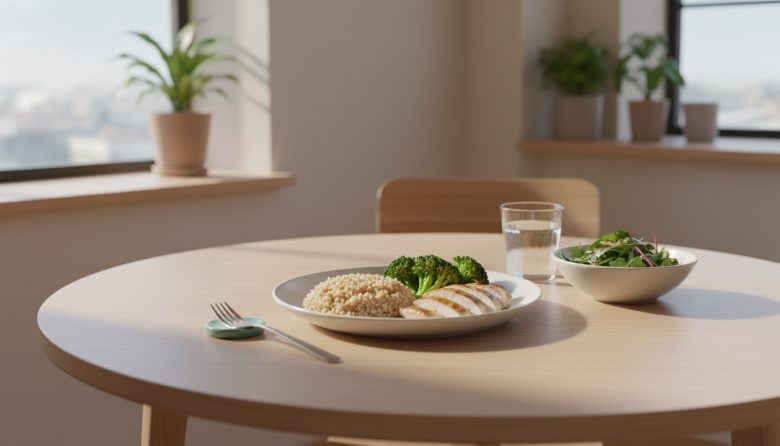
Imagine starting your day with a burst of steady energy that carries you through meetings and errands, savoring a lunch that keeps your focus sharp without the usual fog, and ending with a dinner that leaves you satisfied but ready for rest. Balanced everyday meals are like a gentle daily rhythm—they're not rigid rules but simple, colorful choices that nurture your body’s natural flow. Drawing from how food affects blood sugar stability, gut health, and sustained vitality, this beginner's guide offers visual plate ideas, easy swaps, and feel-good experiments to build confidence one meal at a time.
Picture your plate as a friendly canvas, divided into sections that make balance visual and intuitive. This approach helps you see portions at a glance, much like snapping a quick photo to check your progress. Let's dive into the pieces that make meals work for you.
Picture Your Plate: The Visual Guide to Balance
Why it helps: Splitting your plate into clear zones matches how our bodies handle carbs, proteins, and fats, often leading to steadier energy by slowing sugar spikes and supporting digestion.
Visualize half your plate bursting with colorful veggies for fiber and volume without extra calories. Fill a quarter with lean proteins to build satisfaction, and the last quarter with whole grains for lasting fuel. Imagine plating it like a photo-ready salad bowl—vibrant, balanced, and inviting.
What to try: Start with a dinner plate: pile on steamed greens, add grilled chicken strips, and scoop quinoa on the side. Adjust as you go, aiming for a feel of comfortable fullness rather than stuffed. Snap a mental picture next time to track how it looks and feels.
Why Fiber-Rich Veggies Anchor Every Meal
Why it helps: These veggies provide soluble fiber that slows digestion, feeds beneficial gut microbes, and tends to ease bloating while keeping blood sugar even-keeled throughout the day.
Think of them as the sturdy base of your meal pyramid, adding crunch and color that makes eating fun. Their water content hydrates naturally, supporting everything from skin glow to steady moods. Beginners often notice less afternoon drag when veggies lead the way.
What to try: 1. Toss roasted broccoli florets with a drizzle of olive oil and a sprinkle of salt—crispy edges in 20 minutes. 2. Build salads on a bed of spinach or mixed greens for effortless volume. 3. Dip carrot sticks or cucumber slices into hummus for a snack that doubles as meal prep. 4. Slice bell peppers into colorful stir-fries, where they soften sweetly alongside other ingredients.
Safety / when to be cautious: If you're new to high-fiber foods or notice gas, introduce them gradually over a week, pairing with plenty of water to let your gut adjust smoothly.
Proteins That Keep You Powered Through the Day
Why it helps: Proteins trigger hormones like peptide YY that promote fullness, while amino acids aid muscle repair and neurotransmitter balance, often sharpening focus without energy dips.
Lean toward options that feel light yet nourishing, like eggs poached to fluffy perfection or tofu cubed and pan-seared golden. They pair beautifully with veggies, creating meals that satisfy deeply. Over time, this builds resilience for busy days.
What to try: 1. Scramble eggs with spinach for a breakfast that sticks. 2. Stir lentils into veggie soups for heartiness without heaviness. 3. Grill chicken breast or marinate tofu for quick stir-ins. 4. Grab a handful of almonds or walnuts as a mid-morning boost. 5. Aim for fatty fish like salmon twice a week, baked simply with lemon for omega-3 perks.
Transitioning to these feels empowering—watch how your midday stamina shifts as proteins become plate stars.
Smart Carbs: Choosing Grains for Lasting Energy
Why it helps: Whole grains release glucose gradually due to their bran and germ layers, which may enhance serotonin production for calmer moods and fewer cravings.
Swap refined carbs for these gems, envisioning oats fluffed like clouds or quinoa popping like tiny jewels. They add chew and warmth, making meals comforting yet energizing. This choice often aligns with natural hunger cycles.
What to try: 1. Cook oats with milk and berries for a creamy breakfast porridge. 2. Mix quinoa into salads for a nutty base that holds dressings well. 3. Bake sweet potatoes until caramelized, slicing open to reveal fluffy orange centers. 4. Swap white rice for brown in bowls topped with veggies and protein.
Safety / when to be cautious: If you're watching blood sugar, start with smaller portions and pair with fiber or fat to moderate rises—monitor how your body responds.
For extra natural fuel alongside smart carbs, explore 5 Everyday Foods for Natural Energy Boosts, which complement these grains seamlessly in daily routines.
Quick Swaps to Balance Your Favorites
Swapping familiar foods keeps things exciting without starting from scratch. This table offers visual, at-a-glance ideas with reasons rooted in nutrient flow. Pick one to try today and note the difference.
| Common Choice | Balanced Swap | Why It Helps |
|---|---|---|
| White bread toast | Whole grain toast with avocado | Fiber and healthy fats slow digestion for steady energy over quick spikes. |
| Fried chips | Baked veggie chips or nuts | Less oil reduces inflammation; crunch satisfies without blood sugar swings. |
| Pasta with creamy sauce | Zucchini noodles with tomato-protein sauce | Low-carb veggie base lightens load while protein adds staying power. |
| Sugary cereal | Greek yogurt with oats and fruit | Protein curbs hunger; whole grains provide sustained fuel vs. crash. |
| Juice | Smoothie with greens and protein powder | Fiber fills you up; blends nutrients without empty sugar rush. |
| Processed lunch meat sandwich | Turkey or hummus wrap with veggies | Lean protein and crunch boost satiety and gut health. |
Use your hand as a guide: thumb for fats, fist for carbs. Experiment with one swap per meal, tracking how energy and mood shift—small tweaks often spark big confidence.
Everyday Meal Ideas to Get You Started
Why it helps: Consistent meal patterns sync with your circadian rhythm, often improving sleep quality and next-day recovery by stabilizing hormones overnight.
Batch-prep components like chopped veggies or cooked grains on Sundays for grab-and-go ease. Visualize stacking flavors: herby, fresh, warm. These ideas keep variety alive while building habits.
What to try: 1. Breakfast: Smoothie bowl with spinach, banana, Greek yogurt, and oats—blend and top with nuts for photo-worthy texture. 2. Lunch: Quinoa salad with chickpeas, cucumber, feta, and lemon dressing—pack in jars for layers that don't wilt. 3. Dinner: Veggie stir-fry with tofu, broccoli, bell peppers, and brown rice—sizzle in one pan for minimal cleanup. 4. Snack: Apple slices with almond butter, bridging meals lightly.
Pair evening meals with a How to Create a Calming Evening Wind-Down Routine to enhance digestion and rest.
Listen to Your Body: Simple Tracking for Success
Tune into signals like energy peaks, post-meal fullness on a 1-10 scale, or mood lifts. Jot notes in a phone app or journal: "Felt steady after quinoa lunch." Patterns emerge quickly.
Tweak gently—more protein if crashing, extra veggies if bloated. This personal feedback loop builds intuition faster than rules alone. Celebrate wins, like a full day without slumps.
Over weeks, you'll craft meals that fit your life. For stress-related eating dips, try 6 Breathwork Techniques for Quick Calm Moments before meals to enhance mindful choices.
Encourage your own experiments: track simple signals like energy, mood, and sleep for a week. Notice what lights you up—your body knows best.
Frequently Asked Questions
How many meals should I aim for daily?
Three balanced meals with one or two light snacks often suits most, but tune to your hunger cues—some thrive on two larger ones, others need grazing. Variations depend on activity and metabolism; experiment and observe energy flow.
Can I balance meals if I'm vegetarian?
Absolutely—mix beans, lentils, eggs, dairy, nuts, seeds, and tofu to cover protein needs completely. Track how combinations like quinoa and chickpeas leave you feeling powered. Variety keeps it fresh and sustainable.
What if I don't like veggies?
Begin tiny: sneak shredded zucchini into sauces or blend spinach into smoothies where taste hides behind fruit. Roast favorites like carrots with cinnamon for sweetness. Gradually, textures become allies as benefits like steadier energy shine through.
How do portion sizes fit busy days?
Hand portions shine for portability: fist for veggies, palm for protein, cupped hand for carbs, thumb for fats. They're intuitive—no scales needed. Adjust by feel; busier days might mean prepped bowls ready in seconds.
Will this fix my energy crashes?
Balanced plates often stabilize blood sugar to reduce crashes, but persistent issues may need professional input like thyroid checks. Combine with hydration and sleep tweaks for compounding effects. Start small and consult a doctor if needed.