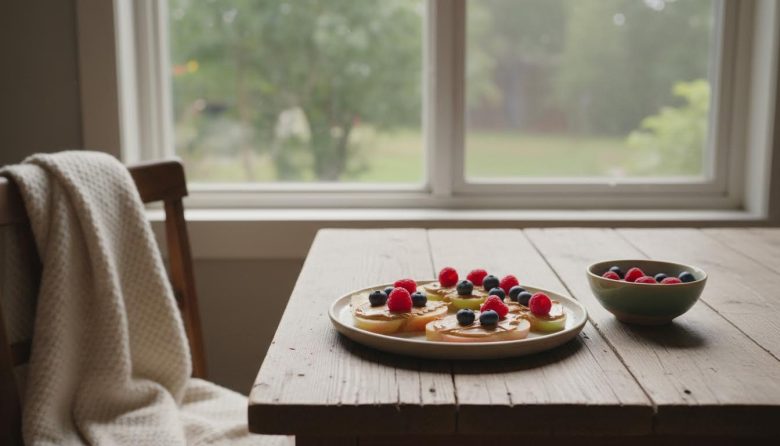
Every afternoon around 3 PM, I used to hit a wall. My eyes would glaze over my desk, and reaching for a candy bar or cookie seemed like the quick fix. But those choices often left me crashing harder an hour later, dragging through the evening.
Now, in my routine, I slice an apple and spread on a tablespoon of almond butter while my tea steeps. This simple combo keeps me steady without the rollercoaster. Blood sugar stability plays a key role here—pairing fiber-rich fruits with protein and fats slows digestion, providing even energy release.
Science shows our bodies often experience a natural circadian dip mid-afternoon, amplified by lunch's carb-heavy load. Nourishing snacks with balanced macros can help counter this. Try one this week: prep a small handful of nuts with fruit, then note your energy on a scale of 1-10 before and after.
Unraveling the 3 PM Energy Dip and Why Snacks Can Steady It
The 3 PM slump isn't just in your head. Circadian rhythms often cause a dip in alertness around this time, as adenosine builds up from the day's wakefulness. Lunch, if heavy in refined carbs, can spike then crash blood sugar, worsening fatigue.
Stress responses add fuel to the fire—cortisol peaks can disrupt steady energy. A well-timed snack may help by stabilizing glucose levels through slower-digesting nutrients. Protein and fiber, for instance, tend to blunt sharp rises, supporting focus without jitters.
This approach often helps many maintain productivity into the evening. It fits routines without overhauling meals. Simple pairings can make a noticeable difference over sugary grabs.
Core Nutrients That Fuel Steady Afternoon Vitality
Protein stands out for satiety—it signals fullness to the brain via hormones like peptide YY. Sources like nuts, yogurt, or cheese provide amino acids that support neurotransmitter balance. This can help sustain mental clarity during tasks.
Fiber slows carb absorption, preventing blood sugar swings. Think oats, veggies, or fruits—soluble types form a gel in the gut for gradual energy. Healthy fats, from avocados or seeds, add calories without spiking insulin quickly.
Combining these creates synergy. A snack with all three often promotes longer-lasting vitality than carbs alone. Experiment to see what mix suits your body's signals.
Smart Ingredient Pairings for Balanced Snack Energy
Pairing carbs with protein exemplifies balance—apple slices with peanut butter deliver quick fruit sugars tempered by nut protein. Fiber in the apple further slows digestion, aiding steady release. This combo tends to curb cravings effectively.
Yogurt and berries offer probiotics alongside antioxidants. The creaminess satisfies, while berries' low glycemic index prevents spikes. Hummus with carrot sticks brings earthy fats and crunch for mindless munching without guilt.
These mechanisms rely on digestion timing. When quick sugars meet slower elements, energy evens out. Tailor to tastes, like swapping for seeds if nuts don't appeal.
To visualize swaps that ditch energy-drainers, here's a quick reference table. It highlights common pitfalls and nourishing alternatives, complete with benefits and prep ease.
| Common Energy Crash Snack | Nourishing Swap | Why It Tends to Help | Prep Time |
|---|---|---|---|
| Candy bar | Apple slices + almond butter | Fiber and fats stabilize blood sugar for hours | 2 minutes |
| Chips | Hummus + cucumber or carrot sticks | Protein and hydration curb salt cravings steadily | 3 minutes |
| Sugary granola bar | Greek yogurt + a few berries | Thick protein promotes fullness without crash | 1 minute |
| Pretzels | Handful of mixed nuts + cheese stick | Fats and protein extend satisfaction | 1 minute |
| Cookies | Banana + a square of dark chocolate | Potassium and minimal sugar for gentle lift | 2 minutes |
| Soda + crackers | Chia pudding (pre-made) + sliced pear | Omega-3s and fiber hydrate and sustain | 5 minutes if batching |
Use this as a starting point—pick one row to try tomorrow. Notice how the swaps align with your routine's pace.
Quick Prep Techniques You Can Try Today
1. No-cook assembly: Grab pre-washed veggies from the fridge, dip into store-bought hummus. Add a hard-boiled egg for protein punch. Ready in under 2 minutes.
2. Blender boost: Toss frozen berries, spinach, and a scoop of protein powder with almond milk. Blend for a smoothie that travels in a mason jar. Sip mid-meeting if needed.
3. Nutty roll-ups: Spread nut butter on a whole-grain tortilla, add banana slices, roll tight. Slice into pinwheels for grab-and-go. Keeps shape in a lunchbox.
4. Cheese and fruit skewer: Thread grapes, cheddar cubes, and cherry tomatoes on toothpicks. Fun to eat, balanced macros. Prep a batch while coffee brews.
5. Seed mix magic: Combine pumpkin seeds, dried cranberries, and dark chocolate chips in a jar. Shake and portion into bags. Crunchy without the crash.
6. Avocado mash: Scoop half an avocado, mash with lemon, salt, and top on rice cakes. Creamy fats shine here. Try right after lunch for prevention.
These keep things simple and direct. Start with one; track how it shifts your afternoon rhythm.
Batch Prepping Snacks to Fit Your Busy Routine
On Sundays, I spend 20 minutes chopping veggies and portioning nuts into bags. This sets me up for the week—no thinking required mid-afternoon. It fits seamlessly after my morning walk.
Steps: Wash and slice apples or carrots, store in airtight containers with a lemon squeeze to prevent browning. Measure nuts or yogurt into reusable pots. Label by day if variety calls.
Storage matters—fridge for perishables up to 4 days; pantry for dry mixes. When paired with practices like quick tips to reduce stress in daily life, it amplifies calm focus. Track post-snack mood in a notes app for tweaks.
This routine cuts decision fatigue. One less worry on packed days. Energy holds steady, evenings feel lighter.
Signs Your Snacks Are Working – And When to Tweak
Positive signals include sustained focus past 4 PM, fewer cravings, and better sleep onset. Mood lifts without irritability. Energy curves smoother on your tracking scale.
Portions matter—aim for 200-300 calories to avoid overload. Watch for allergies; swap nuts for seeds if needed. If digestive discomfort arises, simplify ingredients.
Consult a doctor for conditions like diabetes or IBS. These snacks support but don't replace medical advice. Experiment cautiously, honoring body feedback.
Considering how to add more leafy greens to your meals easily can enhance snack nutrition too. Track for a week, adjust as cues guide.
Frequently Asked Questions
Do afternoon snacks disrupt dinner appetite?
Often not, if you keep portions moderate around 200-250 calories. They bridge gaps without overwhelming hunger later. Tune sizes to your activity level—experiment and note evening cues for balance.
Can these snacks help if I have blood sugar concerns?
Balanced combos may support steadier levels through fiber and protein. However, individual responses vary. Always check with your healthcare provider before changes, especially with medications.
What if I don't like nuts or dairy?
Swaps abound: seeds like sunflower or pumpkin for nuts; plant-based yogurts or hummus for dairy. Focus on texture and taste variety—roasted chickpeas work well. Variety prevents boredom while hitting macros.
How soon after lunch should I snack?
Typically 2-4 hours, guided by true hunger over boredom. Listen to stomach rumbles, not clock alone. This timing often aligns with the dip, preventing overeating at dinner.
Will prepping take too much time?
Most ideas clock under 10 minutes; batching drops it to 20 weekly. Start with one or two swaps—no pressure for perfection. As habits build, it becomes second nature, saving mental energy.
Pick one swap from the table or list today. Track energy, mood, and sleep for a week—small experiments reveal what works for you. Your afternoons can feel more even-keeled.