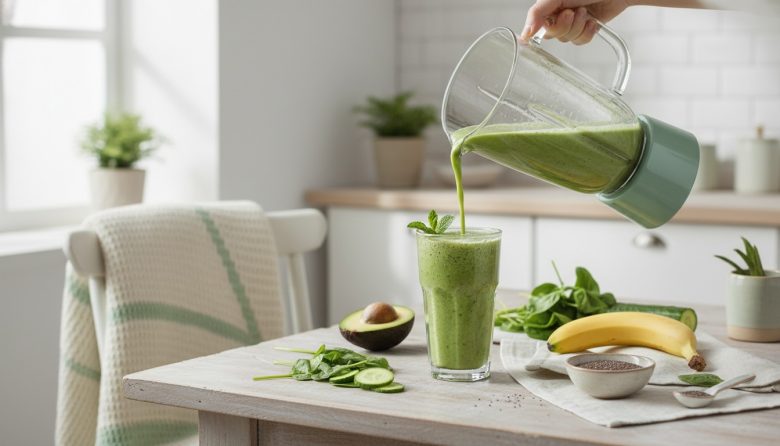
Ever notice how a dry mouth or foggy head sneaks up on you mid-afternoon? These are common signs of mild dehydration, which can zap your energy and mood without you realizing it. Hydration plays a key role in keeping your cells plump and your brain sharp, supporting everything from focus to a steady heartbeat.
Blending hydrating smoothies offers a tasty way to boost your fluid intake. Unlike plain water, these drinks pack water-rich fruits and veggies with electrolytes that help your body absorb and hold onto moisture better. In this guide, we'll explore simple ingredients, easy recipes, and science-informed tips to make hydration feel refreshing and fun.
Picture vibrant layers in your blender—cucumber slices, juicy watermelon chunks, and a splash of coconut water. These beginner-friendly smoothies can help you feel more energized, especially on warm days or after light activity. Let's dive into why they work and how to whip them up at home.
Many people overlook how food contributes to daily water needs. Smoothies make it effortless, turning hydration into a delicious ritual. Stick around for recipes, swaps, and tweaks that fit your routine.
Why Hydrating Smoothies Support Your Body's Fluid Balance
Your body is about 60% water, with cells relying on it for basic functions like nutrient transport and temperature control. When you're low on fluids, your stress response can kick in, leading to fatigue or irritability. Hydrating smoothies can help maintain this balance by delivering water alongside natural electrolytes like potassium and magnesium.
Plain water is great, but it absorbs quickly without much staying power. Fruits and veggies in smoothies release water slowly, often paired with fiber that aids retention. This tends to support steady hydration over hours, which may improve energy levels.
Consider post-workout scenarios: sweat depletes sodium and fluids, making rehydration tricky. A smoothie with cucumber or strawberries can help restore what’s lost, as studies on fluid balance show produce enhances absorption compared to water alone. On warm days, this approach often feels more refreshing and sustainable.
These benefits build over time with consistent sips. Your body’s circadian rhythm also plays a role—morning hydration can set a positive tone for mood and focus. Experiment to see what works for you.
Stocking Your Kitchen with Hydration Heroes
Start with high-water produce that's easy to find and store. Cucumber boasts over 95% water content, making it a crisp base for smoothies. Watermelon and strawberries follow closely, adding natural sweetness without extra sugar.
Keep coconut water or plain yogurt on hand for creamy texture and electrolytes. These add-ins provide a gentle boost to fluid absorption. Fresh herbs like mint keep things light and invigorating.
Visualize your fridge drawer: slice cucumbers into easy-grab spears, cube watermelon for quick blending, and rinse berries ahead. Beginners can aim for 2-3 heroes per week to build variety. This setup makes smoothie-making a breeze, tying into habits like those in easy tips to walk more without extra effort, where post-stroll refreshment shines.
Pro tip: Wash and prep on weekends for grab-and-go mornings. These staples often stay fresh 4-5 days, encouraging daily blends.
Hydrating Ingredient Swaps for Everyday Smoothies
Swapping common ingredients for water-packed alternatives can transform your smoothies without much effort. This table visually guides you from familiar picks to hydration powerhouses, highlighting benefits and water content. Use it to mix and match for balanced, feel-good drinks.
| Common Ingredient | Hydrating Swap | Why It Helps | Approx. Water Content |
|---|---|---|---|
| Banana | Cucumber | Low-calorie base with electrolytes for better absorption | 96% |
| Apple | Watermelon | Sweetness plus lycopene for antioxidant support | 92% |
| Orange | Strawberries | Vitamin C boost with gentle hydration | 91% |
| Milk | Coconut water | Natural potassium without dairy heaviness | 95% |
| Yogurt (full-fat) | Greek yogurt (plain) | Protein for satiety, thinner for blending | 88% |
These swaps keep calories in check while upping hydration—cucumber feels cooling, watermelon juicy. Track how they affect your energy after sipping. Pair with simple tips for gentle digestion after meals for full-day wellness.
Three Easy Recipes to Blend and Sip Today
Let's get blending with these beginner recipes. Each serves one, uses 5 ingredients max, and takes under 5 minutes. Focus on fresh layers for that satisfying pour.
Cucumber Mint Refresher
- Layer 1 cup sliced cucumber, 1/2 cup strawberries, and a handful of mint leaves in your blender.
- Add 1 cup coconut water and blend on high for 30 seconds until smooth.
- Pour into a chilled glass—garnish with a cucumber wheel for visual pop. Sip slowly to feel the cool hydration spread.
This one shines mid-morning, often lifting fog with its crisp vibe. About 150 calories, mostly water.
Watermelon Berry Bliss
- Chill 2 cups watermelon cubes first for extra refreshment.
- Blend with 1/2 cup strawberries, juice of half a lime, and 1/2 cup plain yogurt.
- Strain if you prefer no pulp, or enjoy as-is for fiber. The pink hue makes it Instagram-worthy and mood-boosting.
Perfect post-walk, this may help restore electrolytes naturally. Track your post-sip energy.
Tropical Cucumber Glow
- Combine 1 cup cucumber chunks, 1 cup pineapple (fresh or frozen), and 1/2 banana for creaminess.
- Pour in 3/4 cup coconut water; blend until velvety.
- Top with a strawberry slice. It feels like a vacation in a glass, supporting hydration on busy days.
These recipes scale easily—double for sharing. Experiment with ratios to suit your taste.
Flavor Boosts That Keep It Refreshing and Fun
Once basics feel easy, add twists like fresh ginger for zing or lemon zest for brightness. These enhance flavor without overpowering hydration. A pinch of sea salt can amplify electrolyte effects, mimicking sports drinks naturally.
Herbs such as basil or cilantro bring unexpected fun—muddle them first for release. Spices like turmeric (with black pepper) may support anti-inflammatory feels alongside moisture. Visualize swirling colors as you blend.
Track mood after trying boosts: does ginger perk you up? Link it to routines, perhaps exploring how to make refreshing hydrating smoothies at home for more ideas. Rotate weekly to prevent boredom and build confidence.
Keep portions fun-sized at 12-16 ounces. This experimentation often reveals personal favorites over time.
When to Sip Smart and Watch for Balance
Hydrating smoothies shine in moderation—aim for 1-2 per day alongside water. Fruit sugars add up, so balance with protein or fats for steady energy. If you have diabetes or kidney issues, consult your doctor first.
Watch for overdoing high-potassium items like bananas if on certain meds. Start small to gauge digestion. These notes keep things safe and enjoyable.
Allergies to produce? Swap freely using the table. Hydration supports wellness, but it's part of a bigger picture.
Track Your Hydration Wins
Try one recipe daily this week and note energy, mood, or skin feel in a journal. Small changes like morning sips can build lasting habits. Share your tweaks—what's your go-to swap?
Frequently Asked Questions
Can hydrating smoothies replace drinking plain water?
No single drink fully replaces water, but smoothies can complement it nicely. They provide structured hydration with nutrients, which may encourage more intake overall. Aim for 8 cups of fluids daily, mixing sources for variety.
What's the best time of day for a hydrating smoothie?
Mornings often work well to kickstart circadian rhythm and hydration after overnight fasting. Mid-afternoon slumps benefit too, as the refresh can curb fatigue. Listen to your body—experiment with timing and track responses.
Are there ingredients to avoid for better hydration?
High-fat add-ins like nut butters can slow absorption, so use sparingly. Caffeinated elements or alcohol disrupt balance, best skipped. Focus on water-rich picks for optimal effect.
How many smoothies should I have daily?
One to two fits most routines, providing 20-30% of fluid needs without excess sugar. Adjust based on activity—more on hot days. Balance with whole foods and plain water.
Can kids enjoy these hydrating smoothies?
Yes, with kid-friendly tweaks like extra berries for sweetness. Use smaller portions and skip added salts. They can help picky eaters hydrate playfully, but monitor for allergies.