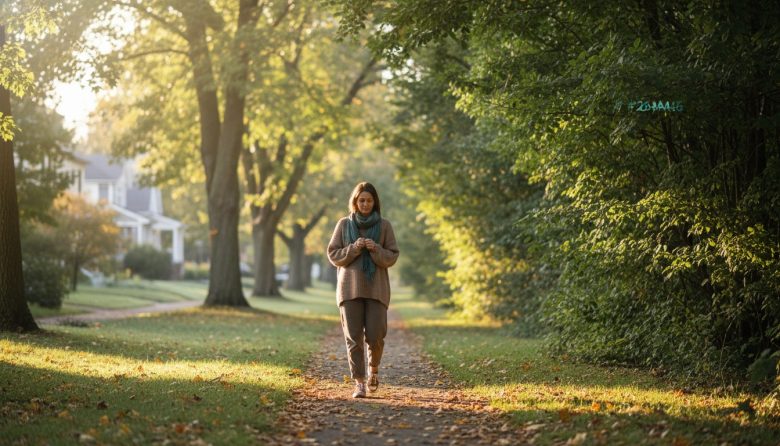
Last week, I swapped my usual rushed commute for a simple 10-minute loop around my neighborhood. Instead of scrolling my phone or replaying work stress, I focused on the rhythm of my steps and the crunch of leaves underfoot. This shift to mindful walking brought a quiet calm I hadn't expected, easing the tension that builds up by midday.
Mindful walking means moving with intentional presence—noticing your breath, the feel of each step, and subtle surroundings without judgment. It trains gentle attention, which can help dial down the body's stress response over time. In this guide, we'll cover why it works, how to find your spot, gear up simply, layer in practices, follow a step-by-step framework, fit it into your day, and address safety.
Many find it supports better mood and focus with regular short sessions. You'll get plain explanations, 4-5 sensory practices, and a 5-step walk outline. Try one brief neighborhood loop this week and note how your energy shifts.
Why Mindful Walking Eases Everyday Tension
The practice often shifts attention from mental rumination to immediate senses, interrupting cycles of worry. This can lower cortisol levels, as studies on attention-based activities suggest, promoting a calmer nervous system response.
Daylight exposure during walks supports circadian rhythm regulation, which tends to improve sleep quality and daytime alertness. Gentle movement also boosts endorphins mildly, fostering a sense of ease without high intensity.
In my routine, a post-lunch mindful stroll often clears afternoon fog, making tasks feel lighter. It may not erase stress entirely, but layering presence into steps builds resilience gradually.
Combining it with hydration awareness, like tips in how to pick everyday foods that keep you hydrated, amplifies the refresh. These mechanisms work together for subtle, sustained calm.
Spotting Your Ideal Neighborhood Starting Point
Start by mapping 2-3 familiar blocks on paper or mentally—note flat paths, shaded areas, or quiet corners. Look for engaging elements like trees rustling or distant birdsong to anchor attention naturally.
Safety comes first: choose well-lit routes with sidewalks, avoiding busy roads if possible. In my neighborhood, a loop past a small park offers varied textures—pavement, grass edges, breeze—that keep the walk fresh.
Sketch a simple route: mark your door, a halfway pivot point, and return. Aim for 5-10 minutes initially to build familiarity without overwhelm.
Test it once without full mindfulness to confirm comfort. Engaging spots make presence easier, turning routine paths into supportive allies.
Gearing Up Simply for Your First Intentional Stride
Comfortable shoes with good support suffice—no need for fancy gear. Check the weather app for rain or heat, and layer lightly for temperature shifts.
I began with just sneakers and a water bottle, leaving my phone inside to minimize distractions. This bare-minimum setup let me focus purely on the walk itself.
Optional: a small notebook for post-walk notes on mood. Hydrate beforehand, especially if pairing with breath work from how to practice simple mindful breathing for relaxation.
Keep it low-pressure; the goal is consistency over perfection. This simplicity invites ease into the practice from day one.
Layering Sensory Anchors Into Each Step
1. Feel your feet connect with the ground—notice heel lift, toe push-off, pavement texture. This grounds attention in the body, often easing scattered thoughts.
2. Tune into sounds around you: birds, wind through leaves, your breath's rhythm. Let one dominate gently, returning if mind drifts.
3. Scan the horizon softly, observing sky colors or distant shapes without labeling. This expands awareness outward, reducing inner tension.
4. Sense air on skin—cool breeze, sun warmth, fabric shift. Rotate anchors as needed to sustain presence.
5. Smell subtle scents: fresh-cut grass, rain aftermath, earth. In my walks, these cues create vivid snapshots that linger.
Practice one per walk initially. Over time, they weave into a flow that calms the stress response naturally.
- Pause at your starting point and take three slow breaths, feeling your body settle.
- Begin walking, syncing breath with steps—inhale for two strides, exhale for three.
- Choose one sense to engage fully, like footfall or ambient sounds, for the first half.
- When mind wanders, note it kindly and return to your anchor without self-criticism.
- End by pausing again, noting one observed detail with quiet gratitude, then transition back.
This 5-step framework guides beginners through a complete 10-minute walk. It builds structure while allowing flexibility, often leading to clearer post-walk energy.
Repeat 3-4 times weekly, adjusting based on feel. Honest routines like mine started here, evolving into daily ease.
Fitting Short Walks Into Hectic Schedules
Slot a morning 5-minute loop before coffee for a grounded start. Or try a post-meal stroll to aid digestion and shift focus.
Track simple signals: rate energy and mood on a 1-5 scale before/after. Experiment with lunch breaks or evening wind-downs.
As part of a broader routine, link to daily self-care routine for radiant skin and energy for compounded benefits. Short sessions accumulate, fostering habit without strain.
Safety Notes for Mindful Moves in Any Setting
Stay alert to traffic and surroundings—glance up periodically, even in presence mode. Hydrate before and listen for body cues like unusual fatigue.
Wear reflective gear at dusk. Skip if you have acute injury, dizziness, or recent illness; consult a doctor for ongoing concerns.
Walk with a partner if solo feels uneasy in your area. These steps keep the practice supportive and low-risk.
FAQ
How long should my first mindful walk be?
Start with 5-10 minutes to build comfort without fatigue. Extend naturally as it feels right, tracking mood shifts to guide length. Variation is normal—what works one day may shorten another.
What if my mind wanders constantly?
This is common, especially early on; the practice strengthens focus gradually. Gently redirect to your anchor without judgment—like training a puppy. Sessions improve with repetition, often within 2-3 weeks.
Do I need special gear or apps?
No, comfortable shoes and weather-appropriate clothes are enough; apps can help routes but may pull focus from presence. Stick to basics for purity. If using one, choose simple mapping only.
Can this help with anxiety?
It often supports calming the stress response through sensory engagement, aiding mild tension. It's not a therapy replacement—pair with professional help if symptoms persist. Consult a healthcare provider for tailored advice.
How do I track if it's working?
Note post-walk energy, clarity, or tension on a quick 1-5 scale in a notebook or phone. Experiment weekly, adjusting anchors or timing. Subtle shifts like easier breathing signal progress amid daily variation.