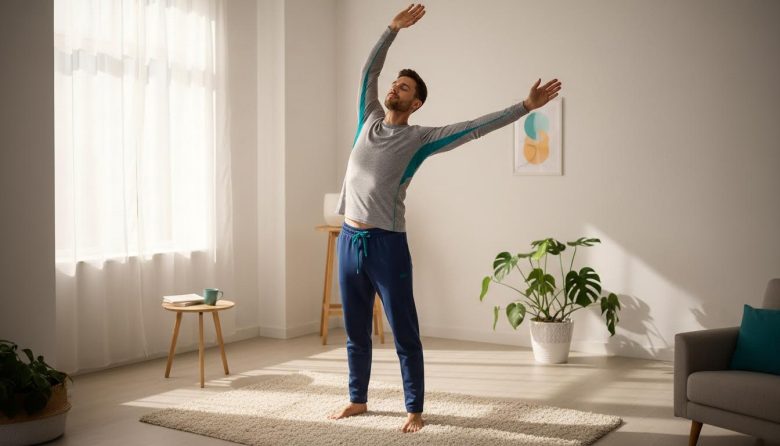
I used to wake up feeling like a fog had settled over my brain, hitting snooze three times before dragging myself out of bed. That changed when I started with just 10-minute morning walks—nothing intense, just gentle steps around the block. Light morning exercise, like walking, stretching, or simple arm circles, can shift your day by tapping into your body's natural energy cues.
These habits aren't about pushing hard; they're small, consistent moves that often build momentum for better mood and focus. Science points to benefits like improved circulation and endorphin release, which may help shake off grogginess without overwhelm. Try one small step today, like standing and breathing deeply right after your alarm—see how it feels in your body.
In my routine, pairing this with a quick glance at the sunrise made mornings feel lighter. It took experimentation, no pressure, just noticing what stuck. If you're curious about layering in more energy boosters, exploring a Simple 7-Day Plan to Boost Natural Daily Energy can complement these steps naturally.
Wake to Your Body's Natural Rhythm with Gentle Movement
Your body often follows a circadian rhythm, where cortisol peaks shortly after waking to signal alertness. Light exercise aligns with this by gently raising your heart rate, which can help regulate that stress response without spiking it too high. This timing tends to enhance focus and energy as the day unfolds.
Why it helps: Moving soon after waking supports your internal clock, potentially improving sleep quality later by syncing melatonin release. It activates muscles lightly, promoting blood flow to clear morning stiffness. Many report a steadier mood from this simple alignment.
What to try:
- Deep breathing before your feet hit the floor: Inhale for 4 counts, hold 4, exhale 4—do 5 rounds while still in bed.
- Seated leg lifts: Sit on the bed edge, lift one leg at a time for 10 reps each, feeling the gentle wake-up in your core.
- Wall push from bed: Stand and place hands on the wall, bend elbows slowly for 8 reps to open your chest.
Start with one idea tomorrow morning. Notice your energy shift afterward—no need for perfection, just consistency.
Pick Moves That Spark Energy Without Overwhelm
Choosing the right light exercise keeps it sustainable, focusing on low-effort options that fit any space. A quick comparison can clarify what suits your morning vibe. Here's a table of options to spark energy gently:
| Exercise Type | Time Commitment | Key Benefits | Minimal Gear Needed |
|---|---|---|---|
| Brisk Walk | 10 min | Boosts endorphins, improves focus and circulation | Shoes |
| Arm Circles & Stretches | 5-8 min | Enhances mobility, reduces stiffness | None |
| Yoga Cat-Cow Flows | 7 min | Releases spinal tension, calms breath | Mat (optional) |
| Marching in Place | 5 min | Warms legs, elevates heart rate mildly | None |
| Standing Side Bends | 6 min | Stretches sides, improves posture | None |
Pick one from the table based on your setup—say, arm circles if you're short on time. In my routine, I rotate brisk walks with stretches to keep it fresh. This variety often prevents boredom and builds adherence.
Practice now: Stand tall, circle arms forward 10 times, then backward. Feel the looseness? That's your cue to slot it into tomorrow.
Layer in Morning Light for Lasting Habit Momentum
Exposing yourself to natural light soon after waking helps regulate serotonin for mood and melatonin for sleep cycles. Light exercise outdoors or near a window amplifies this, as movement plus light exposure can enhance those effects. It creates a positive loop for habit formation.
Why it helps: Morning light signals your brain it's daytime, which may curb afternoon slumps by stabilizing your circadian rhythm. Combined with gentle moves, it often leads to sustained energy without caffeine crashes.
What to try:
- Outdoor walk: Step outside for your 10 minutes, letting sunlight hit your face.
- Window yoga: Face a bright window for cat-cow flows, syncing breath with light.
- Porch stretches: Sip coffee while doing side bends, as I do most days.
- Desk march: If indoors, march near a window to catch rays.
My coffee-plus-porch-stretch routine started as a whim but stuck because it felt rewarding. Experiment with light integration this week.
Dodge Morning Drag with Simple Setup Tricks
Prep the night before to bypass decision fatigue, making your light exercise effortless. These tricks reduce friction, helping the habit take root. They address common drags like cold floors or forgotten shoes.
Safety / when to be cautious: If you have joint issues or persistent low energy, consult a doctor before starting. Begin slow to listen to your body—mild discomfort is common, but sharp pain means pause.
What to try:
- Night-before clothes: Lay out comfy layers by your bed.
- Alarm fade-out: Use a gentle sunrise simulator to ease waking.
- Pair with routine: Link it to brushing teeth for automatic flow.
These kept me consistent during busy weeks. For evenings that support better mornings, weaving in a How to Create a Calming Evening Wind-Down Routine smooths the transition.
Track Small Wins to Make It Automatic
Simple tracking turns effort into insight, reinforcing what works for your body. Note mood, energy, and sleep signals daily to spot patterns. This builds automaticity over time.
Journal prompts: After exercise, rate energy 1-10; evening, note mood stability; weekly, review sleep quality. My 30-day tweak showed walks beat stretches for my focus—small wins stacked up.
CTA: Experiment one week, tracking shifts. Adjust based on your notes, no rigid rules. This data-driven approach often makes habits lifelong.
Pair tracking with nutrition basics from a Beginner's Guide to Balanced Everyday Meals for fuller energy support.
Fine-Tune When Life Throws Curveballs
Travel or fatigue happens—adapt with swaps to keep momentum. These flexible ideas maintain benefits without stress.
- Hotel hallway march for walks.
- Bed-edge stretches if tired.
- Breathwork only on low days.
May help adjust by honoring your current state. Resume full routine when ready.
Frequently Asked Questions
Can light morning exercise really improve my whole day?
Often, yes—it boosts endorphins and circulation, which may elevate mood and focus through serotonin pathways. Track your energy and sleep to personalize; results vary by individual rhythm. Many notice steadier afternoons after consistent weeks.
What if I'm not a morning person?
Start with 2-3 days a week, pairing with gradual wake times to build tolerance. Acknowledge your natural chronotype—light moves can gently shift it without force. Experiment and adjust based on mood logs.
How long should sessions be for beginners?
5-10 minutes tends to build adherence without fatigue, aligning with circadian peaks. Extend as comfort grows; shorter is better than skipping. Focus on consistency over duration.
Do I need special equipment?
No, bodyweight moves or household items suffice—shoes for walks are the max. Prioritize consistency; gear can add later if desired. This keeps barriers low for daily use.
When should I worry if I'm sore?
Mild soreness is normal as muscles adapt; it often fades in a day or two. Pause and rest if sharp or persistent, checking with a professional. Hydrate and stretch to ease it.
Try one this week—share your wins below.

Comments
Pingback: How to Sleep Better With a Night Light: A Practical Setup Guide That Won't Ruin Your Rest - Juno Hatch
Pingback: How to Build Sleep Habits for Rotating Shifts: A Practitioner's Field Guide - Juno Hatch