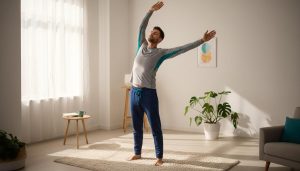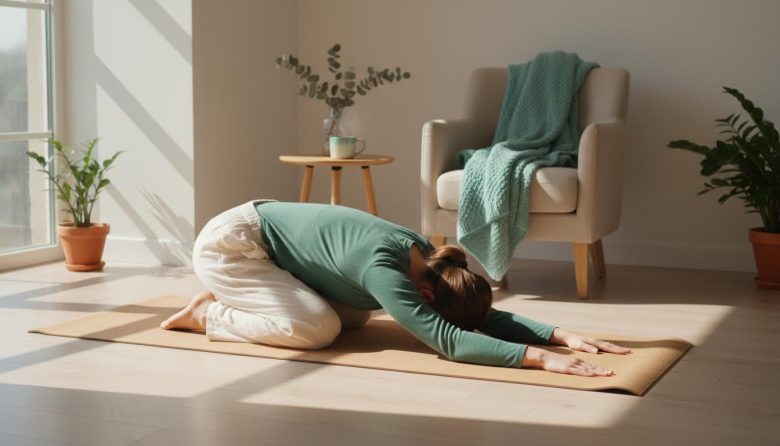
Picture this: sunlight streams through your living room window as you unroll a soft yoga mat on the floor. Your shoulders, tight from the day's bustle, begin to soften as you ease into child's pose, forehead resting gently on the mat. A deep breath fills your belly, and with each exhale, tension melts away like morning fog.
Gentle yoga at home invites you into accessible movement that nurtures flexibility, balance, and a sense of calm. Unlike intense workouts, it focuses on slow, mindful flows that anyone can try, no experience needed. Research shows practices like this often shift your body's stress response, activating the parasympathetic nervous system for relaxation and ease in daily life.
This beginner's guide shares simple ways to start, from setting up your space to a 10-minute sequence that builds confidence. You'll discover how breath and gentle holds can lift your mood and mobility. Grab your mat, find a quiet spot, and take three deep breaths right now—your body will thank you.
How Gentle Yoga Shifts Your Stress Response for Everyday Ease
Gentle yoga works by encouraging your body to tap into the parasympathetic nervous system, often called the "rest and digest" mode. When you hold soft poses and pair them with steady breaths, it signals your nervous system to dial down cortisol, the stress hormone that keeps you on edge. Over time, this can help you feel more grounded during busy days.
Imagine the sensation of your spine lengthening in a gentle forward fold—muscles soften, blood flow improves, and mobility eases naturally. Studies on mindful movement suggest it may boost endorphins, those feel-good chemicals that lift mood without overwhelm. Your body learns to release tension more readily, creating a ripple of calm.
Breath-focused holds also support better sleep patterns by aligning with your circadian rhythm. Practitioners often notice steadier energy as the practice quiets the fight-or-flight response. With consistency, these shifts build resilience, helping everyday stressors feel lighter.
Think of it as training your body to pause and reset, much like how hydration steadies your focus. Gentle yoga tends to foster this inner ease, making room for joy in small moments. Start noticing how your breath changes your outlook.
Creating Your Inviting At-Home Yoga Nook
Transform a corner of your home into a welcoming yoga spot with minimal fuss. Choose a quiet area near a window for natural light, which can enhance your mood through gentle circadian support. Roll out a non-slip mat—borrow one if needed—and add a folded blanket for extra cushion under knees or hips.
Dim the lights or light a candle for a soothing glow; soft ambiance helps your mind settle quickly. Wear comfy clothes that allow free movement, like loose pants and a soft tee—no special gear required. Personalize with a plant or favorite scent to make it yours, boosting confidence from the first session.
Keep water nearby to stay hydrated, as it supports muscle recovery and focus during practice. Test the space by sitting cross-legged; adjust cushions until it feels just right. This nook becomes your go-to for daily unwinding.
Pro tip: Face your nook toward morning light when possible. It aligns with natural energy cues, setting a positive tone. Your inviting setup makes showing up feel effortless and fun.
Everyday Props That Simplify Gentle Flows
Props make gentle yoga accessible by supporting your body without strain. Yoga blocks, stacked like sturdy pillows, lift your hands in forward folds for easier reaches—try two books if you don't have them. Picture sliding a block under your palms; it shortens the distance, letting you breathe deeply into the stretch.
A strap or old tie works wonders for seated twists or hamstring opens—loop it around your foot and gently tug. This keeps alignment safe while building flexibility over time. Feel the gentle pull inviting length without force.
For deeper relaxation, a bolster or rolled towel under your knees in child's pose cradles your body. It eases lower back pressure, amplifying release. These simple tools turn poses into feel-good explorations.
Household items shine here: a pillow for seated support or a belt for binds. Experiment to find what feels supportive. Props empower beginners, turning potential wobbles into steady confidence.
When incorporating elements from a simple 7-day plan to boost natural daily energy, props can enhance your overall flow, making sessions even more restorative.
A Flowing 10-Minute Sequence to Build Confidence
This 10-minute sequence guides you through gentle, fluid poses that link breath and movement. Start in your nook, mat ready, and move slowly—visualize each transition like a soft wave. It builds flexibility and calm, perfect for beginners tracking progress in mood and energy.
Focus on sensations: warmth in muscles, steady breath. No rushing; let each pose linger. After, journal how your body feels—lighter shoulders? Quieter mind? These signals show your growth.
-
Step 1: Settle into Child's Pose (2 minutes) Kneel on the mat, toes touching, knees wide. Fold forward, arms extended or alongside your body; rest forehead down. Breathe into your back, feeling ribs expand and tension release like a slow sigh.
-
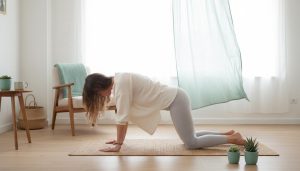
Step 2: Transition to Cat-Cow Waves (2 minutes) Come to hands and knees, wrists under shoulders. Inhale to arch your spine (cow), gaze up gently; exhale to round (cat), tuck chin. Sync with breath for 8-10 waves, awakening your core softly.
-
Step 3: Low Lunge for Hip Opening (2 minutes per side) From all fours, step right foot forward between hands. Sink hips gently, left knee down; arms rise overhead if comfy. Hold, breathing into hips—switch sides mindfully.
-
Step 4: Seated Forward Fold and Twist (2 minutes) Sit tall, legs extended; hinge forward from hips, hands on shins. Then, bend right knee, twist left gently over it. Repeat other side for balanced spine ease.
-
Step 5: Savasana Rest (2 minutes) Lie back, arms by sides, palms up. Close eyes, scan from toes to head, releasing holds. Notice your calmer energy emerging.
Repeat this flow daily, noting energy shifts. Linking it with 7 gentle stretches for desk workers everywhere can extend your mobility gains seamlessly throughout the day.
Track simple signals: pre- and post-practice mood on a 1-10 scale. Confidence grows as you witness these changes.
Breathwork Basics to Amplify Your Yoga Glow
Breathwork supercharges gentle yoga by deepening relaxation. Try 4-7-8 breathing: inhale for 4 counts through nose, hold 7, exhale 8 through mouth. It often calms the nervous system quickly, like a mini-reset for stress.
Ujjayi breath, a soft ocean sound in the throat, steadies your flow. Constrict throat slightly on exhales while in poses—feel it anchor you. Pair with hydration; sip water to keep tissues supple.
Belly breathing invites diaphragmatic expansion: hand on belly, let it rise on inhales. This supports circadian calm, especially evenings. Visualize breath lighting up your glow from within.
Practice 2-3 minutes pre-sequence. It amplifies pose benefits, often leaving you radiant and centered. Experiment to find your favorite.
Safety Notes and Cues for Joyful, Strain-Free Sessions
Listen to your body always—gentle yoga thrives on ease, not push. Pause if you feel sharp sensations; mild stretch is okay, but back off for comfort.
Use props to modify: elevate hips or support joints. If you have chronic issues like back pain, consult a doctor first. Breathe steadily to stay present.
Warm up slowly, end with rest. These cues keep sessions joyful and sustainable.
Frequently Asked Questions
How often should beginners practice gentle yoga?
Starting with 3-5 sessions a week, around 10-20 minutes each, often helps build habits without fatigue. Pay attention to your energy levels—scale back if you feel tired, or add a day if it energizes you. Tracking mood in a simple journal lets you personalize the rhythm for lasting ease.
Do I need prior experience or flexibility?
No prior experience or flexibility is required—gentle yoga meets you exactly where you are, emphasizing breath and awareness over perfect form. Poses adapt with props, making them inclusive from day one. Consistent, kind practice naturally builds both strength and range over weeks.
What if I feel discomfort during poses?
A mild warming stretch feels normal and beneficial, but ease out immediately if there's sharp pain or pinching. Shorten holds, add props like blocks under hands, or skip to breathwork instead. This self-listening keeps practice safe and builds trust in your body's wisdom.
Can gentle yoga help with sleep?
It often promotes better sleep by quieting the stress response and supporting evening wind-down. Try a short session 1-2 hours before bed, noting sleep quality over a week. Combine with dim lights for circadian alignment, adjusting based on your signals.
How do I progress beyond basics?
Progress by experimenting with slightly longer holds or adding one new pose weekly, always guided by feel-good sensations rather than intensity. Refer to resources like how to incorporate gentle daily stretches for flexibility for seamless next steps. Celebrate small wins, like deeper breaths, to sustain motivation.
Try your first sequence today—journal how you feel afterward and return to this guide anytime. Your gentle yoga journey unfolds one breath at a time.