Last week, I had back-to-back meetings from dawn till dusk. In a rare two-minute gap, I stood up for a quick neck stretch—rolling my head gently side to side. That small act melted the tension I'd carried all morning, leaving me clearer-headed for the next call. Gentle stretches like this fit seamlessly into my routine, often easing muscle tightness and boosting circulation without demanding extra time.
These practices draw from how our bodies respond to sedentary stress: short holds can signal muscles to relax, much like a reset for your stress response. Many notice subtle mood lifts after just a few days. Ahead, I'll share why they help, plus targeted ideas for morning, desk, transitions, and evening—complete with a quick-reference table.
Track your energy or mood before and after trying one; a simple note in your phone works wonders.
Why Gentle Stretches Ease Tension in Hectic Schedules
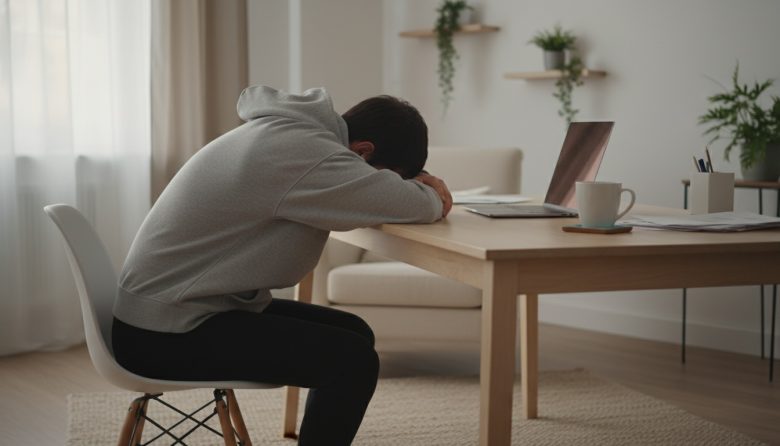
Sitting for hours triggers our stress response, tightening muscles from neck to hips as posture hunches. Gentle stretches counteract this by lengthening those fibers, often improving blood flow to fatigued areas. This can help reduce that "stuck" feeling without aggressive pulling.
Consider how desk work shortens hip flexors; a simple knee-to-chest hold may restore balance, easing lower back strain. Circulation perks up too, delivering oxygen to tissues that crave it during long sits. Studies on similar practices show they tend to lower cortisol over time, fostering calm amid chaos.
In my routine, a midday arm stretch often shifts my focus, proving small moves compound into real relief. These aren't intense workouts but gentle invitations for your body to unwind naturally.
Morning Stretches to Energize Without Rushing
Start your day with stretches right from bed's edge to awaken without jarring your system. Try these three, holding each 20-30 seconds per side:
- Bed-edge hamstring reach: Sit up, extend one leg forward, hinge at hips to reach toward toes. Switch sides.
- Shoulder rolls: Inhale to lift shoulders to ears, exhale to roll them back and down. Repeat 5 times.
- Standing cat-cow: Hands on knees, arch back on inhale, round on exhale—flow 30 seconds.
This sequence, about 2 minutes total, aligns with your circadian rhythm's morning surge. I do it while coffee brews; it often leaves me steadier for the day ahead.
Experiment tomorrow morning and note if your energy feels brighter by noon.
Desk-Side Flows for Midday Reset
Midday slumps hit hard when screens pull you forward. These seated options reset posture in under 3 minutes. Here's a flow of four:
- Seated spinal twist: Feet flat, twist torso right, hand on left knee—hold, switch.
- Wrist flexor stretch: Extend arm, pull fingers back gently with other hand.
- Neck side bend: Ear to shoulder, no shrugging—alternate sides.
- Seated forward fold: Hinge at hips, let arms dangle toward floor.
Last Tuesday, slipping this in between emails lifted my productivity noticeably—no more foggy haze. Pair it with breaks like those in simple tips for mindful eating every meal to amplify the reset.
Track if it curbs that 2 p.m. drag; consistency builds the habit.
Quick Stretch Routines by Daily Slot
| Daily Slot | Stretch Sequence (3 Moves) | Duration | Key Benefit |
|---|---|---|---|
| Morning | Neck circles (full rotation, slow), cat-cow (on all fours or seated), forward fold (gentle hinge) | 3 min | Awakens circulation |
| Desk | Seated figure-4 (ankle over opposite knee), eagle arms (cross and hug), ankle rolls (circles both ways) | 2 min | Counters hunching |
| Commute | Standing quad pull (heel to glute), side bends (arm overhead), calf stretch (against wall) | 4 min | Transitions energy |
| Evening | Child's pose (knees wide, arms forward), supine twist (knees to one side), legs-up-wall (gentle inversion) | 5 min | Promotes recovery |
Pick one row to test today—say, the desk option during your next break. These portable combos fit any spot, no gear needed. Notice how your body feels post-stretch; jot it down for patterns over a week.
This table clarifies choices for busy days, helping you match stretches to your flow seamlessly.
Transition Stretches for Commutes and Errands
Shifting from work to errands tightens everything—use standing spots like doorways or parking lots. These five no-prop ideas take 3-4 minutes:
- Doorway pec stretch: Arms on frame, step forward gently.
- Standing quad pull: Balance on one leg, heel to glute—switch.
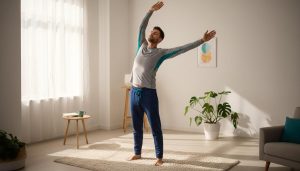
- Side bends: Feet wide, slide hand down leg, arm up.
- Calf stretch: Step one foot back, press heel down.
- Overhead triceps: Arm behind head, elbow pull.
On my walk to the car, this sequence often smooths the mental switch. It complements hydration habits from 10 easy ways to stay hydrated all day long, keeping you limber on the move.
Try during tomorrow's commute; track if transitions feel less abrupt.
Evening Sequences to Unwind and Recover
Wind down with floor-based stretches to signal rest mode, syncing with your circadian dip. Aim for 4-5 minutes before bed; here's a gentle four:
- Gentle forward fold: Seated or standing, fold softly.
- Hip opener: Figure-4 on back, knee circles.
- Thread-the-needle: Shoulder stretch across body.
- Legs-up-wall: Feet elevated for 1 minute.
After a full day, this helps me sleep deeper—I log my rest quality nightly. Blend in a smoothie ritual like those in how to make refreshing hydrating smoothies at home for extra recovery support.
Start tonight and note sleep changes; small tweaks add up.
Safety Notes for Sustainable Daily Stretching
Breathe steadily through each hold—inhale to lengthen, exhale to deepen gently. Stop if you feel sharp pain; dull ache is common but fleeting.
These suit most healthy adults, but if you have recent injuries or chronic issues, check with a doctor first. Start slow, perhaps halving holds, to gauge your response.
Listen to your body daily; what feels good one day may need adjustment the next. This keeps stretching sustainable and enjoyable.
FAQ
How long before I notice benefits from daily gentle stretches?
Many feel reduced tightness within a week of consistent practice. Track personal signals like easier movement or calmer mood to spot your timeline—results vary by starting point and frequency.
Can I stretch if I have joint issues?
Gentle versions often suit mild concerns, focusing on ease over depth. Start with shorter holds and consult a professional for tailored advice; they can guide modifications.
What's the minimum time commitment for busy days?
2-3 minutes per slot can accumulate effectively across the day. Consistency tends to outweigh duration, so link to routines like standing for calls.
Do I need a yoga mat or special gear?
No, these are fully prop-free—use chairs, walls, or the floor as supports. Comfortable clothes help, but everyday wear works fine for short sessions.
How do I make stretching a habit without extra effort?
Anchor to cues like coffee sips or email checks; set a phone reminder at first. Simple mood tracking post-stretch reinforces the loop naturally over time.