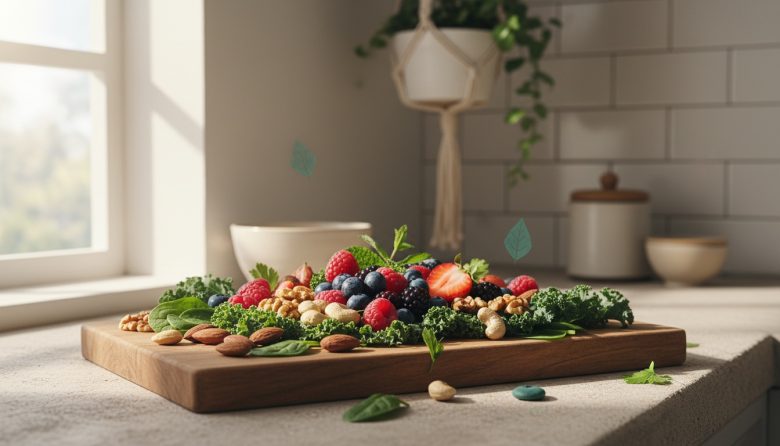
Last month, during a stretch of back-to-back deadlines, I felt my energy sag mid-afternoon and my sleep grow restless. These dips often signal hormonal shifts, like rising cortisol or uneven estrogen. Small changes to my meals, focusing on nutrient-dense foods, helped smooth things out over a couple of weeks.
Hormones act as messengers guiding mood, metabolism, and rest. They rely on steady building blocks—fats for synthesis, minerals for regulation, fiber for clearance. Insulin sensitivity affects energy; cortisol response ties to stress. Foods rich in supportive nutrients can nudge these pathways gently.
Here, I share 10 foods often linked to hormonal wellness in studies on nutrient roles. From omega-3s to zinc, each offers plain mechanisms. We'll cover them in a quick table, then deeper looks with my routine tips. Track your mood, energy, or cycle notes as you try—personal signals guide best.
Start with two or three foods that appeal. Note changes over 14 days. This mindful tweak fits easily into daily plates.
Your Quick Guide to 10 Hormone-Supporting Foods
| Food | Key Nutrients | How It May Support Hormones | Simple Way to Include |
|---|---|---|---|
| Salmon | Omega-3s (EPA/DHA) | Tends to ease inflammation tied to cortisol/estrogen balance | Grilled fillet 2x/week |
| Broccoli | Sulforaphane, fiber | Supports liver's estrogen processing | Steamed side daily |
| Flaxseeds | Lignans, fiber | May modulate estrogen receptors | 1 tbsp ground in smoothies |
| Avocado | Monounsaturated fats | Provides building blocks for steroid hormones | Half on toast mornings |
| Spinach | Magnesium, folate | Helps regulate insulin and stress responses | Handful in salads |
| Pumpkin seeds | Zinc, magnesium | Supports testosterone production | Quarter-cup snack |
| Sauerkraut | Probiotics | Aids gut-hormone signaling | 2 tbsp with meals |
| Eggs | Cholesterol, choline | Cholesterol as precursor for many hormones | 2 boiled daily |
| Sweet potatoes | Vitamin A, fiber | Promotes stable blood sugar for insulin balance | Baked as side |
| Blueberries | Antioxidants (anthocyanins) | Protects cells from oxidative stress affecting hormones | Handful fresh daily |
Use this table as your starting checklist. Pick two or three foods. Track energy, mood, or sleep shifts over two weeks to see what resonates.
Omega-3s from Salmon: Taming Everyday Inflammation
In my routine, I reach for salmon twice weekly when stress creeps up. Omega-3s like EPA and DHA integrate into cell membranes. This often dampens inflammatory signals that can spike cortisol or throw off estrogen balance.
Why it helps
Chronic low-grade inflammation disrupts hormone signals. Omega-3s shift the body toward anti-inflammatory pathways, easing the load on adrenal glands. Studies note this may steady cortisol rhythms and support estrogen metabolism.
During a busy travel month, adding salmon curbed my afternoon fog. Energy held steadier without caffeine crutches.
What to try
- Bake a salmon fillet with lemon; flake over greens for lunch.
- Top whole-grain crackers with canned wild salmon and cucumber.
- Swap in walnuts or chia if fish isn't your choice—similar omega boost.
Safety / when to be cautious
Opt for low-mercury options like wild salmon. Limit large fish if pregnant. Most tolerate well otherwise.
These steps fit my evenings seamlessly. Next, fiber-rich veggies take the stage.
Broccoli's Sulforaphane: Everyday Estrogen Flow
Broccoli became my go-to side after noticing cycle mood swings. Sulforaphane activates liver enzymes for phase 2 detox. This aids gentle clearance of excess estrogens via stool.
Why it helps
The liver processes hormones for excretion. Sulforaphane boosts glutathione pathways, often improving estrogen breakdown. Fiber binds remnants, preventing reabsorption.
I steam a cup daily now. Paired with protein, it curbs hunger too.
What to try
- Stir-fry broccoli with olive oil and garlic for dinner.
- Roast florets at 400°F for 20 minutes; crisp and tasty.
- Blend into creamy soups with potato base.
- Add raw shreds to salads if digestion allows.
Safety / when to be cautious
Cook broccoli to reduce goitrogens, especially if thyroid-sensitive. Start with small portions. Rare allergies aside, it's gentle for most.
Building on veggies, seeds offer targeted minerals. Let's group flax and pumpkin.
Flax and Pumpkin Seeds: Lignans and Zinc Duo
I sprinkle these seeds in breakfasts year-round. Flax lignans act like mild estrogen modulators. Pumpkin's zinc supports enzymes for testosterone synthesis.
Why it helps
Lignans from flax bind excess estrogens weakly, aiding balance. Zinc in pumpkin seeds fuels hormone production pathways. Magnesium in both calms the stress axis.
Two weeks of daily seeds evened my focus during workouts. Simple swap from snacks.
What to try
- Grind 1 tbsp flax; stir into smoothies—see How to Make Refreshing Hydrating Smoothies at Home for blends.
- Mix pumpkin seeds into overnight oats with yogurt.
- Make seed butter: blend with sea salt for toast.
- Create trail mix with nuts and dried fruit.
Safety / when to be cautious
Grind flax for better absorption; whole passes through. Limit to 2 tbsp daily to avoid digestive upset. Zinc from food rarely overloads.
Shifting to fats, avocados and eggs provide foundations.
Avocados and Eggs: Fats as Hormone Foundations
Mornings start with these in my kitchen. Healthy fats and cholesterol serve as precursors for progesterone and testosterone. Without them, synthesis stalls.
Why it helps
Steroid hormones build from cholesterol backbones. Monounsaturated fats stabilize membranes for receptor function. Choline supports liver health for hormone clearance.
Post-holiday, this duo restored my steady mood. No more crashes.
What to try
- Mash avocado on toast; top with poached egg.
- Stuff deviled eggs with mustard and herbs.
- Whip guacamole for veggie dips.
- Slice avocado into omelets.
Safety / when to be cautious
Balance if cholesterol levels concern you; check with a doctor. Eggs suit most; opt pasture-raised. Portions keep calories in check.
Greens and roots steady blood sugar next.
Spinach and Sweet Potatoes: Magnesium and Blood Sugar Steadies
These anchor my lunches. Magnesium relaxes nerves; fiber slows glucose release for insulin calm.
Why it helps
Magnesium aids insulin signaling and HPA axis regulation. Vitamin A from sweet potatoes supports adrenal function. Stable blood sugar prevents hormone-disrupting spikes.
I sauté spinach midweek; it pairs with everything. Energy evens out.
What to try
- Blend spinach into How to Make Refreshing Hydrating Smoothies at Home.
- Bake sweet potatoes at 425°F; top with cinnamon.
- Sauté spinach with garlic and lemon.
- Mix into quinoa bowls.
- Mash sweet potato for breakfast bowls.
Safety / when to be cautious
Both are broadly safe. Oxalates in spinach: pair with calcium if prone to stones. Generally worry-free.
Finally, gut and cell protectors.
Gut and Antioxidant Allies: Sauerkraut and Blueberries
Ferments and berries end my plates. Probiotics tune gut microbes for hormone metabolite clearance. Antioxidants shield cells from stress-induced damage.
Why it helps
Gut bacteria deconjugate estrogens for reabsorption control. Anthocyanins in blueberries quench free radicals hitting ovaries or adrenals. This duo buffers daily oxidative load.
Weekly sauerkraut smoothed digestion and mood. Berries add joy.
What to try
- Top meals with 2 tbsp sauerkraut.
- Mix blueberries into Greek yogurt.
- Try home-fermenting cabbage basics.
- Freeze berries for off-season smoothies.
Safety / when to be cautious
Introduce ferments slowly to dodge bloating. Choose low-sugar berries. Safe for most.
These 10 weave fats, fibers, and minerals into balance. In my routine, picking three—like salmon, seeds, spinach—shifts energy without overwhelm. Track two weeks: journal mood at noon, sleep quality.
Experiment freely; bodies vary. I pair with gentle movement from my Your 7-Day Gentle Movement Plan for Beginners, amplifying calm. Notice patterns?
For evenings, blend with my Evening Relaxation Plan for Deeper Sleep Naturally routine. Rest deepens hormone recovery.
Frequently Asked Questions
How soon might I notice effects from these foods?
Responses often emerge over 2-4 weeks with steady inclusion. Track signals like energy dips, PMS intensity, or sleep depth—individual factors like stress or baseline diet influence timing. Patience reveals personal patterns.
Are these foods safe for everyone?
In moderation, most tolerate them well. Consult a doctor if pregnant, on medications, or managing thyroid conditions—cook cruciferous veggies, for instance. Allergies are uncommon but watch portions.
Can I overdo these foods?
Variety prevents excess; stick to table servings, like 1-2 tbsp seeds daily. Over-ferments might bloat initially—scale back. Balance with whole meals keeps benefits steady without strain.
Do I need to eat them all at once?
No—start with 2-3 that fit your tastes or needs. Rotate weekly for broad nutrient coverage. This gradual approach honors your routine and body's feedback.
How do these fit with supplements?
Foods provide synergistic nutrients supplements often lack. Use as complements if tested deficient, but prioritize plates. Discuss with a pro for tailored hormone support.