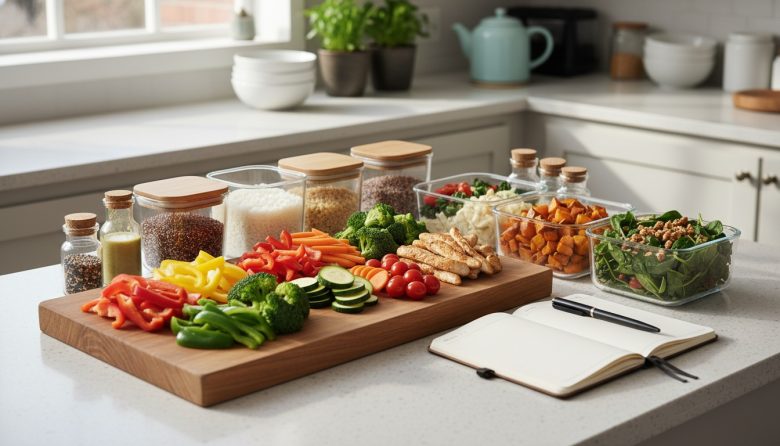
Picture this: it's Sunday evening, and instead of staring blankly at an empty fridge or scrolling for takeout, you're sipping tea in a cozy kitchen, jotting down a handful of meals that feel nourishing and doable. That shift from mealtime chaos to calm confidence can transform your week. Simple weekly meal planning aligns your eating with your body's natural energy rhythms, like steady fuel for mornings when you're buzzing and lighter options for winding down evenings.
This approach often eases daily stress by cutting out last-minute decisions that spike cortisol. It supports consistent nutrients that nurture mood and sleep patterns. Ready to feel that flow? Grab a notebook this week and sketch one meal idea per day—watch how small steps build steady energy.
Why Weekly Meal Planning Eases Daily Stress and Boosts Energy
Planning meals ahead tends to steady blood sugar levels, which can prevent those mid-afternoon slumps that leave you foggy. When you eat balanced at regular intervals, your body gets predictable fuel, supporting focus and even deeper sleep overnight. Imagine a calm kitchen rhythm: chopping veggies once, portioning proteins smoothly—no rush-hour panic.
Decision fatigue fades as choices shrink to familiar, feel-good options. This mental break often leads to lower stress responses, freeing energy for what matters. Nutrient consistency, like regular greens and whole grains, nourishes gut health, which links to steadier moods over time.
Studies in nutrition show that routines like this promote better hydration and fiber intake too, aiding digestion and vitality. It's not about perfection; even loose plans can shift how you feel day-to-day. As energy stabilizes, you might notice easier mornings and gentler evenings.
Visualize your week flowing like a gentle river—meals as anchors keeping you grounded. This beginner-friendly habit builds confidence without overwhelm. Pair it naturally with habits like those in a Daily Tips to Ease Stress from Screen Time, where less digital drain meets fueled clarity.
Assess Your Week: Match Meals to Your Real-Life Rhythm
Start by noticing your energy waves: do mornings spark high? Evenings drag low? Jot these patterns on a simple grid—Monday high-energy breakfast, Friday low-key soup.
Track hunger cues lightly: note when tummy rumbles or focus dips. This reveals your rhythm without fancy apps. Sketch a weekly chart: columns for days, rows for meals, shading high/low energy zones visually.
Real life ebbs—work crunch, family visits—so leave flex slots. This matching often boosts satisfaction, as meals fit your flow. Transition smoothly into staples that support these patterns.
Core Staples: Build a Wellness Pantry That Works Overtime
Stock oats for steady morning fuel—they release energy slowly, curbing crashes. Add leafy greens like spinach; quick to wilt into any dish, rich in magnesium for calm nerves.
Lean proteins such as eggs, canned beans, or nuts offer satiety without heaviness. These build a base for mix-and-match magic. Picture shelves lined neatly: oats in jars, greens washed and ready.
Versatile extras like olive oil, lemons, and herbs amp flavor simply. Stock tips: buy small batches, rotate first-in-first-out. Safety note: Check allergies first; watch expirations to avoid waste—fridge greens last 5 days crisped in a damp towel.
These staples often lead to nutrient-dense plates effortlessly. They support hydration via water-rich veggies too. Feel the ease as your pantry becomes a wellness ally.
Craft Your Weekly Template: Flexible Slots for Real Life
Begin with a blank Sunday sketch: label Mon-Sun, slots for breakfast, lunch, dinner, snack. Theme days lightly—Protein Monday: eggs and oats scramble. Veggie Wednesday: greens-stuffed wraps.
Mix-and-match: base + protein + veg. Monday breakfast: oats + nuts + berries. Tuesday lunch: beans + greens + lemon dressing. Visual flow: draw arrows showing batch leftovers sliding into later slots.
Flex for life: wildcard Wednesday open for leftovers or simple salad. Encourage mood-tracking: after eating, note energy on a 1-5 scale. Tweak next week—swap heavy for light if evenings lag.
This template builds confidence through repetition with variety. It aligns with circadian cues, like lighter dinners for better sleep. Now, clarify swaps with this handy guide.
| Common Meal Base | Simple Wellness Swap | Feel-Good Benefits | Prep Time |
|---|---|---|---|
| White rice | Quinoa or brown rice | Steadier blood sugar, more fiber for fullness | 25 minutes |
| Processed lunch meat | Canned tuna or chickpeas | Lean protein, omega-3s or plant power for mood | 5 minutes |
| Fried chips snack | Baked veggie sticks + hummus | Hydration boost, crunch without crash | 15 minutes |
| Plain pasta | Whole grain pasta + spinach | Magnesium for relaxation, sustained energy | 20 minutes |
| Sugary cereal | Oats with fruit | Slow-release carbs, antioxidants for vitality | 10 minutes |
These swaps enhance density gently—try one per week. They fit your template seamlessly. Move next to batching for efficiency.
Batch and Prep: Hands-On Time-Savers for Busy Days
Chop a rainbow of veggies Sunday: carrots, peppers, broccoli—store in glass containers. Drizzle lightly, fridge-ready for stirs or salads. Motion: steady knife rhythm, colorful piles building.
Cook grains in bulk: quinoa for three days, oats portioned. Proteins like hard-boiled eggs peel easily ahead. Upbeat flow: hum a tune, feel productivity glow.
Snack packs: nuts + fruit in bags. Safety note: Fridge batches 3-4 days max; freeze extras labeled by date. Reheat gently to keep nutrients intact.
This hands-on prep often frees mid-week ease. Visualize your fridge as a grab-and-glow station. It pairs well with a Simple 30-Minute Weekly Plan for Rest and Movement, syncing fuel with gentle activity.
Listen and Adjust: Fine-Tune Based on How You Feel
End each week noting: energy steady? Mood lifted? Satiety lasting? Simple journal: thumbs up/down per meal.
Gently tweak—more greens if bloated, protein if dragging. This feedback loop builds intuitive eating. Experiment tracking signals like post-meal pep.
Enhance with a cozy setup from How to Set Up a Cozy Home Space for Gentle Yoga, where mindful breaths meet nourished bodies. Your plan evolves confidently.
FAQ
How do I start if cooking feels overwhelming?
Begin tiny: plan just three dinners with two staples each, like beans and greens. Use no-cook options first, building one skill weekly. Track wins to spark confidence—variation is normal, ease comes with reps.
Can this work for different diets like vegetarian?
Absolutely—swap proteins to tofu, lentils, eggs as fits. Focus on versatile staples matching your needs. Acknowledge preferences; test small to find feel-good fits.
What if I have limited time mid-week?
Lean on batches: pre-chopped ready in 5 minutes. Keep freezer backups simple. Guardrail: aim for 20-minute max meals, prioritizing rest over perfection.
How much does this impact sleep or energy?
Often noticeable steadier energy within a week, better sleep from balanced dinners. Results vary by starting point—track your signals. It supports rhythms without guarantees.
When should I see a pro for meal tweaks?
If energy lags persistently or conditions like diabetes play in, consult a dietitian. Use this as a gentle base, not medical advice. Simple plans complement pro guidance well.