Picture this: Sarah, a mom juggling work calls and school pickups, slips into her sneakers for a 10-minute walk around the block each morning. By midday, she notices a subtle shift—less tension in her shoulders, a clearer mind for decisions, and energy that carries her through afternoon chaos. No gym membership, no intense workouts, just simple, gentle movements woven into her day.
Gentle movement offers a realistic path for women's wellness, especially when life feels packed. It sidesteps the intimidation of high-impact routines, focusing instead on motions that nourish your body without demanding extra hours. Science points to benefits like better stress handling and mood stability, all from starting small.
Many women find these practices fit seamlessly, whether during a lunch break or before bed. They build resilience gently, tuning into your body's natural cues. Ready to explore how this can energize your days? Let's dive into why it supports women's unique needs and how to make it yours.
Why Gentle Movement Fits Women's Unique Wellness Needs
Gentle movement often helps reduce stress by lowering cortisol levels, that hormone which can spike during busy days or hormonal shifts. For women, this can support hormonal balance, like easing estrogen fluctuations common in menstrual cycles. Endorphins released during light activity lift mood, creating a sense of calm that lingers.
Consider a short walk: it may align your circadian rhythm, helping regulate sleep and energy. Studies show women who incorporate daily gentle motion report steadier moods. This approach tends to foster long-term wellness without burnout.
Unlike vigorous exercise, gentle options adapt to your cycle phases—lighter during PMS, perhaps more flowing mid-cycle. It empowers you to listen to your body, building a supportive routine. This fits real life, where consistency matters more than intensity.
How Daily Motion Tunes Your Body's Natural Rhythms
Light movement can sync your circadian rhythm by exposing you to natural light and steady motion, often improving sleep quality over time. It encourages better hydration synergy, as moving bodies signal thirst more clearly, supporting overall fluid balance. Post-walk energy boosts illustrate this—many feel more alert without caffeine crashes.
Your stress response softens with regular gentle activity; deep breaths paired with steps activate the parasympathetic system, easing fight-or-flight mode. Variability exists—some notice quicker shifts, others build gradually. Real-life example: a 15-minute evening stroll may deepen sleep by signaling wind-down to your brain.
Hormonal rhythms benefit too, as motion helps stabilize blood sugar and insulin sensitivity, which can waver monthly. Careful consistency tunes these patterns. Women often share stories of steadier energy from dawn walks syncing morning cortisol dips.
Starting Small: Principles for Sustainable Habits
Listen to your body signals first—choose moves that feel nourishing, not forced. Pair motion with simple breathing: inhale for four counts, exhale for six, to amplify calm. Track mood or energy afterward using a quick note; this builds awareness without overwhelm.
For clarity on tracking, explore How to Start a Quick Journaling Habit for Clarity, which pairs perfectly with noting post-movement feelings. Start with one or two sessions daily, aiming for 10 minutes total. Experiment to find what sparks joy.
Avoid all-or-nothing thinking; a single gentle walk counts as progress. Over weeks, these stack into habits. Your body rewards patience with subtle wins like easier mornings.
Building Your Daily Gentle Movement Menu
Creating a personalized routine starts with options that suit your day. Below is a comparison table of gentle movements—pick 3-4 to mix into 20-30 minutes total. Sequence them intuitively, like starting with a walk then adding stretches for flow.
This menu encourages variety, preventing boredom while targeting full-body wellness. Adapt durations as needed; the goal is daily ease.
| Movement Type | Recommended Duration | Key Benefits | Best Time of Day |
|---|---|---|---|
| Gentle Walk | 10-15 minutes | Boosts circulation, reduces stress, aligns circadian rhythm | Morning or lunch break |
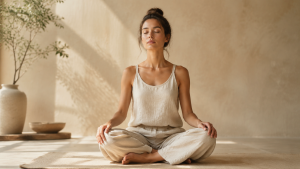
| Seated Yoga Flows | 5-10 minutes | Improves flexibility, calms mind, supports pelvic health | Anytime, desk-friendly |
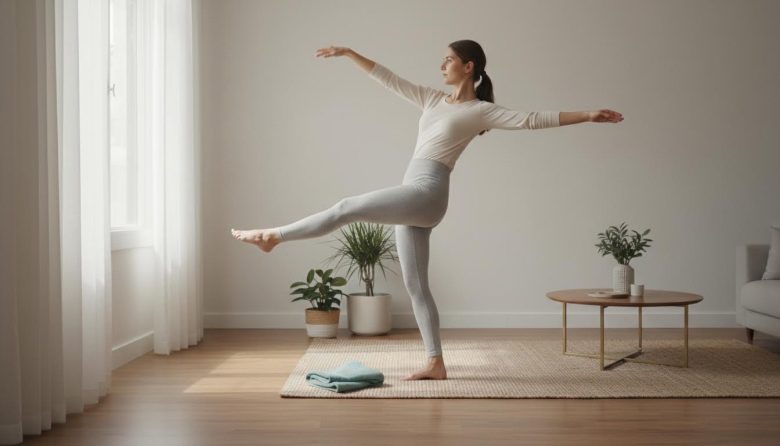
| Arm Circles & Stretches | 3-5 minutes | Releases shoulder tension, enhances posture | Midday reset |
| Pelvic Floor Taps | 2-4 minutes | Strengthens core gently, aids hormonal balance | Evening or post-meal |
| Breathing Walks | 10 minutes | Deepens breathwork, lifts endorphins | Evening wind-down |
| Ankle Rotations | 2-3 minutes per side | Improves mobility, eases leg fatigue | Before bed |
After your table picks, transition smoothly—walk into yoga flows, or stretches after taps. Total under 30 minutes keeps it doable. To enhance, incorporate How to Incorporate Gentle Daily Stretches for Flexibility for seamless variety.
Safety Notes: Moving Mindfully Without Strain
Always tune into discomfort—stop if sharp pain arises, opting for rest instead. Consult a doctor if you have conditions like joint issues or pregnancy. Adapt for cycle phases: lighter during heavy flow days.
Stay hydrated, sipping water before and after. Begin slow if new, building as comfort grows. These notes keep movement supportive, not stressful.
For soothing recovery, try How to Brew Soothing Herbal Teas in Minutes post-session to aid relaxation.
Real Stories: How Women Wove This Into Busy Days
Take Lisa, a teacher: her morning gentle walk plus seated yoga flows during planning periods steadied her energy amid student chaos. She tracked mood shifts, noticing calmer afternoons. Simple swaps like these fit teaching schedules.
Office worker Mia added arm circles at her desk and pelvic floor taps post-lunch. Energy dips faded, replaced by focus. Her story highlights desk-friendly resets.
Mom Jen sequenced breathing walks evenings with ankle rotations before bed. Sleep improved, mornings felt brighter. Track your own signals to mirror these wins.
Your Next Steps: Experiment and Track Wins
Pick 1-2 table options today; log energy, mood, sleep nightly. Build over two weeks, noting patterns. Celebrate small shifts—your body adapts with time.
Frequently Asked Questions
Can I do this routine if I'm new to exercise?
Yes, these moves start extremely gentle, designed for beginners. Listen to your body and shorten durations if needed—many women new to motion feel comfortable within days. Add simple guardrails like a wall for seated flows if balance wobbles.
How does this help with hormonal shifts like perimenopause?
Gentle movement may support hormonal balance by reducing cortisol and promoting endorphin release, which can ease symptoms like mood swings or fatigue. Results vary by individual—some notice steadier energy in weeks. Track cycles alongside to spot personal benefits.
What if I miss a day—does it ruin progress?
No single missed day undoes gains; consistency over perfection builds habits best. Resume gently the next day—flexibility prevents guilt cycles. Women often find even 3-4 days weekly yields mood lifts.
Should I combine this with strength training?
You can complement strength sessions with these gentle moves for recovery and balance. Space them apart, like walks post-weights, and always prioritize body feedback. This pairing often enhances overall resilience.
How soon might I notice changes in energy or mood?
Many report subtle shifts in 1-2 weeks with daily practice, like brighter mornings or less midday slump. Patience helps, as bodies adapt variably—tracking accelerates awareness. Experiment consistently for your timeline.