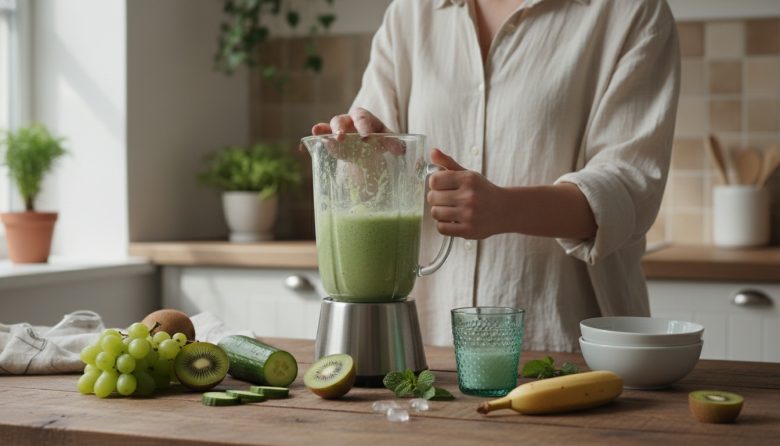
Ever feel that midday slump where your energy dips and your skin feels a bit tight? Those are common signs of mild dehydration, which can sneak up even if you're sipping water throughout the day. Hydrating smoothies offer a tasty way to fight back, blending water-rich fruits and veggies with natural electrolytes for better fluid balance.
Picture this: a cucumber, which is about 96% water, mixed with juicy strawberries and a splash of coconut water. This combo not only quenches thirst but also delivers steady hydration thanks to fiber that slows absorption. You can whip these up at home in minutes, turning snack time into a refresh ritual.
Ready to feel more energized? Try one simple recipe today and notice how your afternoon changes. These blends make hydration fun and effective, helping you stay balanced without extra effort.
Why Hydrating Smoothies Often Replenish You More Effectively Than Water Alone
Plain water is great, but it can pass through your system quickly without much staying power. Hydrating smoothies often do better because they pair high-water foods like watermelon with natural electrolytes such as potassium from bananas. This mix can help maintain your body's fluid balance more steadily.
Think about your stress response—dehydration can ramp it up, leaving you foggy. The fiber in these blends slows sugar and water release, avoiding spikes and crashes. For example, after a workout, a smoothie might leave you feeling recovered longer than gulping plain water.
Studies on hydration show that foods with electrolytes tend to improve retention. You may notice fewer headaches or better focus when you swap in these nutrient-packed drinks. It's a gentle way to support your circadian rhythm too, especially in the morning.
Ingredients That Turn Ordinary Blends into Hydration Heroes
Start with water-packed produce like cucumbers or strawberries, which bring hydration plus vitamins. Coconut water adds natural electrolytes without added sugars, mimicking sports drinks but fresher. Spinach sneaks in minerals like magnesium, which can aid muscle recovery.
Flavor balancers like lemon or mint keep things bright and encourage you to drink more. A banana provides creamy texture and potassium, helping counter sodium loss. These picks make your smoothie more than a drink—it's a mini nutrient boost.
Pairing these with tips from 10 Easy Ways to Stay Hydrated All Day Long can amplify results. Experiment to find what refreshes you most.
Smart Food Swaps for Amped-Up Hydration
| Swap Out (Lower Water Content) | Swap In (Higher Hydration Power) | Why It Helps | Example Use |
|---|---|---|---|
| Banana | Watermelon | Watermelon is 92% water with natural sugars for quick electrolyte balance | Blend chunks into a berry base for summer refresh |
| Apple | Cucumber | Cucumber's 96% water content aids steady fluid absorption with less sugar | Slice into green smoothies for crisp hydration |
| Orange | Strawberries | Strawberries offer high water plus vitamin C for skin hydration support | Mix with yogurt for a tangy morning sip |
| Yogurt (full-fat) | Coconut water | Lower calories, natural potassium helps retain fluids longer | Use as liquid base in tropical blends |
| Peanut butter | Spinach | Leafy greens add magnesium and water without heavy texture | Hidden in fruit smoothies for nutrient boost |
| Honey | Lemon juice | Fresh citrus provides flavor and vitamin C with minimal sugar impact | Squeeze into any recipe for zing |
This table shows easy swaps to boost your smoothie's hydration edge. Each change can make a noticeable difference in how refreshed you feel. Pick one to try next time you blend.
Blending Basics: 4 Steps to Silky, Sippable Smoothies
First, prep and chill your ingredients—freeze fruit overnight for a frosty texture without ice. This keeps nutrients intact and makes the drink more appealing. Chilling also enhances natural flavors.
Second, layer liquids first: pour coconut water or almond milk into the blender. Add soft fruits next, then greens and harder items on top. This order prevents lumps and ensures smooth blending.
Third, blend on high for 30-60 seconds, scraping sides as needed. Stop to check consistency—add a splash more liquid if it's too thick. Taste and tweak for your perfect sip.
Fourth, pour immediately into a chilled glass and enjoy. These steps take under five minutes but yield pro-level results every time.
5 Refreshing Recipes to Experiment With This Week
Cucumber-Mint Refresher: Blend 1 cucumber, handful mint leaves, 1 cup coconut water, juice of 1 lime, and ½ cup strawberries. This combo delivers crisp hydration with cooling mint to ease hot days. Sip post-yoga for recovery—track if your energy holds steady.
Berry-Coconut Electrolyte Blast: Mix 1 cup mixed berries, 1 cup coconut water, 1 banana, handful spinach, and ice. Potassium and antioxidants team up for muscle support. Great after desk time; pair with 7 Gentle Stretches for Desk Workers Everywhere to combat slumps.
Watermelon Ginger Zinger: Combine 2 cups watermelon, 1-inch ginger, ½ cucumber, juice of ½ lemon, and ½ cup Greek yogurt. Ginger aids digestion while watermelon hydrates deeply. Morning use may align with your circadian rhythm for better focus.
Tropical Spinach Glow: Blend 1 cup pineapple, 1 cup spinach, 1 kiwi, 1 cup almond milk, and mint. Vitamin-rich for skin health alongside hydration. Notice fewer headaches? That's a win—log it.
Strawberry Basil Recovery: Whirl 1 cup strawberries, handful basil, 1 cup coconut water, ½ avocado for creaminess, and lemon. Avocado's healthy fats slow absorption for lasting refresh. Ideal evenings; combine with 5 Everyday Foods for Natural Energy Boosts.
Each recipe serves one and uses swaps from the table. Start with one per day this week. Jot down your mood and energy in a notes app—small tracking reveals what works for you.
Safety Notes and When to Ease In Gently
These smoothies are gentle for most, but high fiber can cause bloating if you jump in big. Start with half portions to let your gut adjust. Listen to your body and sip slowly.
Allergies to ingredients like coconut? Swap freely using the table. If you have kidney concerns, check with your doctor—electrolytes add up. Otherwise, they're a safe daily habit.
Focus on variety to avoid excess fruit sugars. Hydration supports overall wellness, but balance with whole foods too.
Frequently Asked Questions
Can hydrating smoothies fully replace drinking water?
No, they complement water nicely but don't fully replace it for everyone. Track signals like urine color—aim for pale yellow. Needs vary by activity, climate, and body size, so combine approaches.
What's the best time to drink a hydrating smoothie?
Morning or post-exercise often works well, syncing with your circadian rhythm for peak absorption. Afternoons combat slumps too. Experiment and note energy shifts to find your sweet spot.
Are these smoothies okay for daily use?
Yes for most people, especially if you rotate ingredients for broad nutrients. Watch fruit amounts to keep natural sugars moderate. Variety prevents boredom and ensures balance.
How do I know if it's hydrating me well?
Simple signals include steady energy, softer skin, fewer headaches, and regular bathroom visits. Track these for a week alongside plain water intake. Personal variation means your clues guide best.
Can I make them low-calorie?
Absolutely—prioritize veggies like cucumber over fruits and use water or herbal tea as base. Skip yogurt for coconut water. Mindful tweaks keep them light while hydrating effectively.
These recipes are your starting point—tweak them to your taste and track how you feel after a week. Share your favorite combo in the comments; small experiments lead to big refresh wins. You've got this!