Imagine sinking into your favorite chair as the day fades, a steaming mug in hand that whispers to your body, "Time to let go." Herbal teas offer a gentle nudge toward calm, drawing on nature's subtle compounds to ease evening tension. As Lily Harper, I'm excited to guide you through choosing and savoring these sips, with easy visuals and tips that feel like a cozy friend chatting over tea.
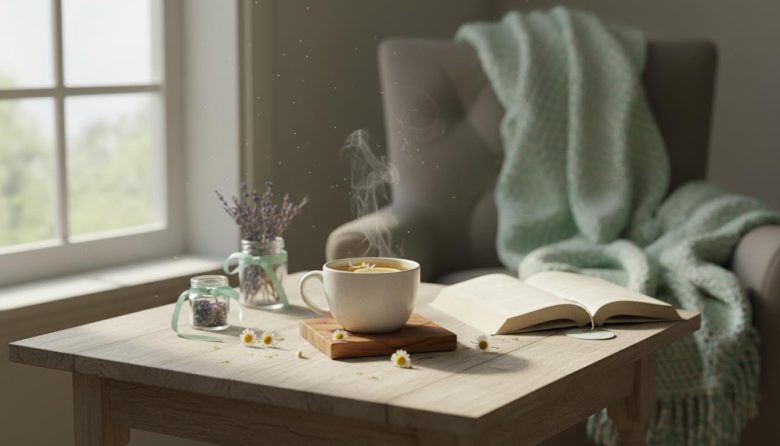
Picture golden chamomile blooms unfurling in hot water or lavender's purple hints releasing a floral sigh. These rituals can become your simple anchor for better rest. Start small, note how your shoulders drop or eyelids grow heavy, and build from there with confidence.
Evening teas align beautifully with your body's natural wind-down, supporting habits that may improve sleep over time. Track your responses in a quick journal—mood before and after—to personalize your perfect blend. Let's dive into the gentle science and steps that make this accessible for beginners.
The Science of Sips: How Herbal Teas Nudge Your Body Toward Calm
Herbal teas often feature plant compounds like apigenin in chamomile that may bind to GABA receptors in your brain, promoting a quieter mind much like a soft brake on racing thoughts. This interaction can help dial down the stress response, easing you into the parasympathetic "rest and digest" state. Evening sips also sync with your circadian rhythm, the internal clock that cues melatonin release as daylight dims.
Small studies show consistent use might lower cortisol, the stress hormone that keeps us wired, though individual results vary based on factors like diet and sleep hygiene. Think of it as a supportive nudge rather than a switch—your body learns the ritual over weeks. Pairing warmth and aroma with these compounds amplifies the sensory signal to relax.
Hydration from the tea itself supports overall calm, as mild dehydration can heighten tension. No need for fancy equipment; the act of brewing becomes a mindful pause. Experiment to feel how these mechanisms play out for you personally.
Spotlight Herbs That Shine After Sunset
Chamomile leads with its daisy-like flowers, brewing to a soft gold hue that evokes sunny fields. Its mild, apple-tinged flavor invites drowsiness gently, ideal for beginners seeking subtle calm. Visualize steam rising like a soothing veil over your evening.
Lavender brings violet buds that unfurl into a fragrant purple elixir, releasing linalool to melt shoulder knots. The floral notes feel like a lavender sachet under your pillow, perfect for releasing physical tension. Its aroma alone can shift your breath slower.
Valerian root offers deeper calm with its earthy, slightly woodsy taste—think cozy forest floor. It may enhance GABA activity more potently, helping with persistent unwind challenges. Picture chopping fresh roots or using pre-bagged for ease.
Passionflower vines yield a tea with delicate, fruity undertones and a hint of tang, targeting racing thoughts effectively. Flavonoids here support neurotransmitter balance, fostering mental quiet. Its light color brews clear, like a peaceful twilight sky.
Lemon balm leaves steep into a bright, citrus-mint refreshment that uplifts without overstimulation. Rosmarinic acid may ease mild anxiety, blending calm with a gentle mood lift. Imagine lemony zing dancing on your tongue as worries fade.
Evening Herbal Tea Comparison
| Herb | Calming Mechanism | Flavor Profile | Ideal Steep Time | Cautions |
|---|---|---|---|---|
| Chamomile | May bind to GABA for mild drowsiness | Mild, apple-like sweetness | 5 minutes | Avoid if ragweed allergy |
| Lavender | Linalool eases muscle tension | Floral, slightly perfumed | 5-7 minutes | May irritate skin if handling buds |
| Valerian | Valerenic acid boosts GABA | Earthy, woody depth | 10 minutes | Causes drowsiness; avoid driving |
| Passionflower | Flavonoids quiet racing thoughts | Fruity, mildly tangy | 10 minutes | Drowsiness possible; consult if on meds |
| Lemon Balm | Rosmarinic acid reduces mild anxiety | Citrusy, mint refresh | 5 minutes | May interact with thyroid meds |
This table lets you glance and choose based on your evening needs—flavor mood or specific calm target. Use it as a quick reference while shopping loose leaves or bags. Notice how steep times preserve delicate compounds without bitterness.
Brewing Moves That Unlock Peak Relaxation
Start by heating water to around 200°F—watch for tiny bubbles forming, just shy of a full boil to protect herbal delicacy. Pour over your chosen herb in a covered mug, letting steam trap aromas like a personal spa. Steep as noted in the table, then strain slowly, inhaling deeply for that first calming whiff.
Swirl in a teaspoon of honey for silky warmth that coats your throat soothingly, or add a lemon twist for zesty brightness. Opt for a thick ceramic mug that cradles heat longer, keeping your sip consistently cozy. These small moves turn brewing into a ritual that builds evening confidence.
Visualize your hands wrapping the mug, tension melting with each pour. Practice once daily to make it second nature. Track how the warmth spreads, signaling your body to unwind.
Pairing Your Tea with Simple Evening Flows
Sip chamomile during a 10-minute breathwork flow: inhale for four counts as you lift arms gently, exhale sipping slowly to deepen release. This combo amplifies the parasympathetic shift, where your heart rate eases and calm spreads. Feel the steam mingle with slow exhales for double relaxation.
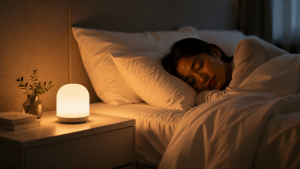
Keep a journal nearby while enjoying lavender—jot three gratitudes between sips, letting the floral notes inspire reflective ease. Dim lights to 50 watts or use a salt lamp for amber glow that enhances the tea's soothing vibe. These layers build a wind-down sequence that feels natural and empowering.
For deeper flows, weave in poses from the Beginner's Guide to Gentle Yoga at Home, holding child's pose with mug beside you. Or align your sips with the Weekly Gentle Yoga Routine for Better Flexibility on rest days, stretching legs mindfully. Even a simple neck roll pairs perfectly, turning tea time into full-body reset.
Try the Simple 30-Minute Weekly Plan for Rest and Movement to schedule these pairings, noting energy shifts post-session. Experiment with one new combo weekly for variety without overwhelm. Your body will signal what resonates most through lighter mornings.
Safety Notes: Sipping Smartly Through the Night
These herbs tend to be gentle for most, but scan for allergies—chamomile shares family ties with ragweed, so test a small sip first. Valerian and passionflower can intensify drowsiness, so skip if driving or operating machinery follows. Always start with one cup to observe your unique response.
Pregnant or nursing? Chat with a healthcare pro before valerian or passionflower, as data is limited. Those on sedatives or thyroid meds might note interactions with lemon balm—monitor closely. Quality matters; choose organic to minimize pesticides.
Hydrate earlier in the day to avoid mid-night bathroom trips from the tea's mild diuretic effect. If any unease arises, pause and reassess. These notes keep your ritual safe and sustainable.
Pick one herb this week, brew nightly at the same cozy spot, and track unwind signals like easier breathing or quicker sleep onset. Tweak steep time or add-ins based on your notes—your perfect evening blend emerges through playful experimentation. Celebrate small wins, like that first deep sigh, as your confidence grows.
Frequently Asked Questions
Can herbal teas replace my sleep meds?
Herbal teas may support better sleep for some through mild sedative effects on GABA pathways, easing into rest more naturally over time. However, they're not designed as substitutes for prescribed medications, especially for chronic insomnia. Consult a doctor for ongoing issues to blend safely with your routine.
What's the best time to drink relaxing tea?
One to two hours before bed often aligns best with your circadian rhythm, allowing compounds to settle without diuretic effects disrupting sleep. Evening light exposure dims naturally then, enhancing the tea's cues. Adjust based on your tracked responses for personalization.
Are all herbal teas caffeine-free?
True herbal infusions without Camellia sinensis leaves tend to be caffeine-free, making them ideal for evenings. Blends with black or green tea, however, carry caffeine—always check labels closely. Opt for pure herbals to safeguard your wind-down.
Can I mix different relaxing herbs?
Yes, combining like chamomile and lavender can create synergistic flavors and effects, starting with half portions each to test tolerance. This builds custom blends over time, but introduce one new mix weekly. Monitor for any unexpected drowsiness or tastes.
How long until I notice benefits?
Some feel calmer after the first sip due to warmth and aroma alone, while fuller effects on stress or sleep may build over one to two weeks of consistency. Factors like stress levels influence this—track mood and energy nightly for clues. Patience rewards with a tailored ritual that sticks.