Picture this: You've powered through a busy day, emails piling up and to-dos lingering, but as the sun dips low, your shoulders start to soften and your mind quiets. That shift toward calm isn't magic—it's your body's cue for rest. A calming evening wind-down routine can help melt away that end-of-day stress, often leading to quicker sleep onset and lower cortisol levels the next morning.
Science shows our circadian rhythm thrives on consistent signals like dimming lights and gentle unwinding, which signal the brain to ramp up melatonin. You'll feel more refreshed, with steadier energy. In this guide, we'll explore why it works, simple ways to tune in, and easy steps to build your own routine—tailored just for you.
Start small tonight: Jot down your mood and sleep quality for a week. Notice patterns, and tweak as you go. Your evenings can become a cozy ritual that sets you up for deeper rest.
Why an Evening Wind-Down Tends to Support Better Rest
Our bodies follow a natural circadian rhythm, an internal clock that cues sleepiness around evening. Dimming lights and slowing down help shift this rhythm, often prompting melatonin release—the hormone that promotes drowsiness. Without these cues, the stress response stays revved, keeping cortisol high and sleep fragmented.
Consistent wind-downs create reliable anchors for your nervous system. They calm the fight-or-flight mode, easing you into rest. Studies on sleep hygiene note that routines like this tend to shorten time to fall asleep by 10-20 minutes for many people.
Think of it as training your brain with gentle repetition. Over time, these habits build resilience against daily chaos, supporting steadier moods and focus. It's not about perfection, but stacking small wins for better nights.
Tune Into Your Body's Natural Evening Signals
Start by noticing when your energy dips—maybe around 8 PM, with yawns or heavy eyelids. Hunger might nudge you too, or tension in your neck from the day. Keep a quick evening journal: Note time, feelings, and spots of tightness.
These signals vary by person, influenced by light exposure or meals. Track for three evenings to spot patterns, like post-dinner slumps. This self-awareness makes your routine feel natural, not forced.
Pair this observation with easy tips for better posture throughout the day. Good alignment reduces evening aches, amplifying your wind-down's calm.
Set a Gentle Timeline: 60-90 Minutes Before Bed
Aim for 60-90 minutes of unwind time, say starting at 9 PM if bedtime's 10:30. This window lets caffeine clear (it lingers 6-8 hours) and aligns with dropping natural light. Experiment: Shift earlier if you're a night owl.
Visualize it like a soft landing: First 30 minutes for dimming, next for movement, last for bed prep. Use a phone alarm as a kind reminder, not a strict rule. Track how this timing affects your morning grogginess.
Light exposure matters here—swap bright bulbs for warm ones. This subtle change cues your brain's rest mode effectively.
Sensory Shifts to Soothe Your Senses
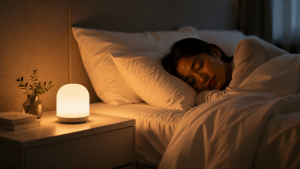
Begin with warm lighting: Swap harsh overheads for lamps with amber bulbs or salt lamps. Twist the dimmer switch low, creating a golden glow that feels like sunset indoors. This reduces blue light's alert signal, easing eye strain.
Next, invite soft scents like lavender. Dab diluted oil on wrists or use a diffuser—inhale deeply for 30 seconds. Aromatherapy often calms the nervous system, slowing your breath naturally.
Wrap up in plush textures: A fuzzy blanket or silk pillowcase against skin. Run hands over them slowly, noting the softness. These tactile shifts ground you, pulling focus from racing thoughts.
Layer in ambient sounds: Gentle rain tracks or ocean waves via speaker. Keep volume whisper-low, letting it fade into background hush. Test what resonates—your senses will guide the best combo for peace.
Mindful Movements and Breathing to Release the Day
Try child's pose: Kneel, fold forward with arms extended, forehead to floor. Breathe here for two minutes, feeling back stretch open. It's photo-simple—knees wide, big toes touch—for instant release.
Practice 4-7-8 breathing: Inhale four counts through nose, hold seven, exhale eight through mouth. Repeat four rounds, hands on belly to feel rise-fall. This activates relaxation response, often quieting mental chatter.
Progressive muscle relaxation: Tense and release from toes up. Squeeze feet 5 seconds, let go with a sigh—move slowly to shoulders. Visualize tension melting like warm wax, building body confidence gently.
These moves pair well with how to prepare nourishing snacks for afternoon energy, avoiding heavy evenings that disrupt flow.
Build Your Routine: 5 Simple Steps to Get Started
Creating your wind-down doesn't need to overwhelm. Follow these five steps over a week, layering gently. Track sleep and mood to refine—it's your personal blueprint for calm.
- Pick 2-3 core anchors: Choose dim lights, one breath exercise, and a cozy texture. Do them same time nightly for habit formation.
- Layer in sensory elements: Add scent or sound after anchors stick. Keep it to three items max for ease.
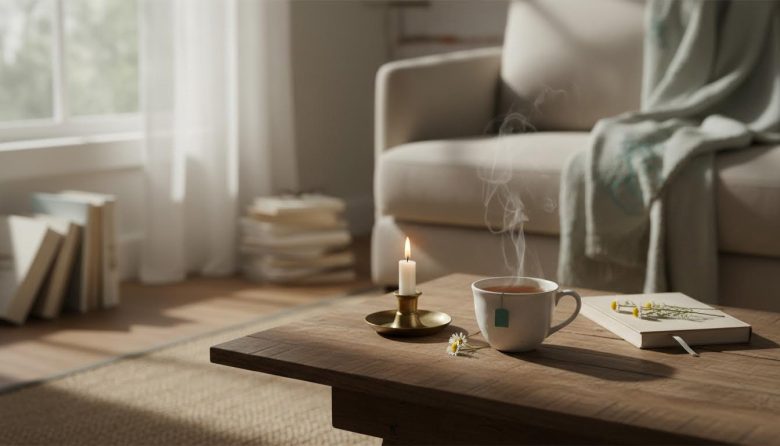
- Add nourishment cues: Sip herbal tea or nibble a light snack, like banana with nut butter. Time it 2 hours pre-bed to aid digestion.
- Test for 3 nights: Journal energy upon waking, fall-asleep time. Note what feels restorative.
- Tweak based on signals: If too long, shorten; swap if anxiety rises. Iterate weekly for fit.
Safety first: Skip if overly fatigued—rest instead. These are gentle, but consult a doctor for insomnia or disorders. Listen to your body; less can be more.
Common Adjustments for Real-Life Evenings
Busy nights? Shorten to 30 minutes: Breath plus lights. Traveling? Pack lavender roller and earbuds for hotel vibes.
Family life calls for flexibility—wind down post-kids' bedtime. Link to beginner's guide to balanced everyday meals for dinners that don't weigh you down later.
Track signals like post-routine drowsiness. Celebrate tweaks that work—your evenings evolve with you.
Frequently Asked Questions
How long should my wind-down routine be?
Often 45-90 minutes fits most, but start with what matches your energy dip—maybe 30 on rushed nights. Experiment over a week, tracking sleep onset. Shorter is fine if consistent cues build habit.
What if I can't avoid screens in the evening?
Blue-light filters or glasses may soften the impact, prioritizing dim mode. Shift screens earlier, layering breath or scent after. Focus on other anchors; full avoidance isn't always realistic.
Can I include food or drinks?
Light, non-caffeinated choices like chamomile tea or yogurt tend to support without disruption. Watch personal digestion—avoid heavy or spicy 3 hours pre-bed. Track next-day bloating for cues.
What if it doesn't improve my sleep right away?
Consistency over 1-2 weeks often reveals patterns as your rhythm adjusts. Keep journaling mood and wake-ups; small shifts compound. If no change, blend with daytime habits like posture tweaks.
Is this safe for everyone?
Generally yes for healthy adults—gentle and low-risk. Pause if it heightens anxiety or fatigue; seek professional advice for sleep issues or meds. Personalize to honor your unique signals.