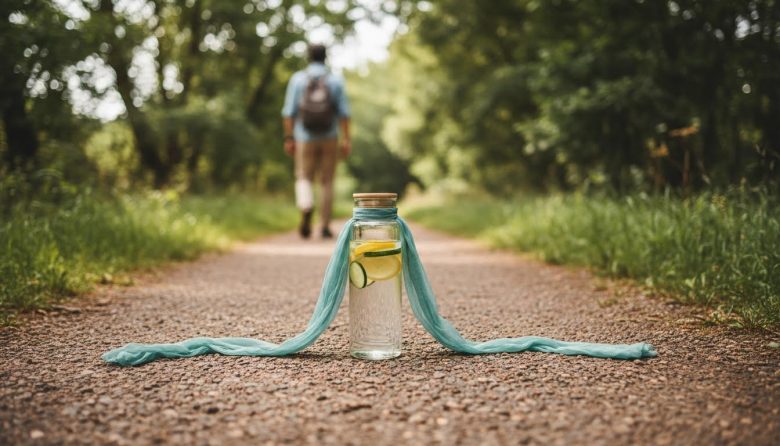
Ever wake up feeling foggy, drag through your morning coffee, and hit a wall by 3 p.m.? That sluggishness might stem from mild dehydration, which happens easily in our busy lives. Your body relies on water to regulate temperature, transport nutrients, and keep your brain sharp—think steady focus during meetings or smoother mood swings throughout the day.
Staying hydrated supports these processes without much effort. Even small, consistent sips can help maintain energy and curb those random snack cravings. In this guide, we'll explore 10 easy ways grouped by time of day: morning starters, midday boosts, afternoon refreshes, and evening wind-downs.
These habits draw from everyday science, like how water aids blood flow for better oxygen delivery. No need for gallons—just simple tweaks. Pick one to try today, note your energy or mood afterward, and build from there. You might notice clearer afternoons sooner than you think.
Your Daily Hydration Habit Checklist
| ☐ Habit | Daily Cue | Quick Action |
|---|---|---|
| 1. Morning glass | Upon waking | Drink 16 oz room-temp water before coffee |
| 2. Marked bottle | Start of day | Fill a 1L bottle with time markers |
| 3. Pre-meal sip | Before lunch | 8 oz water 10 mins prior |
| 4. Veggie boost | Mid-morning snack | Cucumber or watermelon slices |
| 5. Reminder chimes | Every 2 hours | Set phone alerts for sips |
| 6. Herbal infusion | Afternoon lull | Brew mint or lemon tea |
| 7. Sparkling twist | Post-workout | Add fizz and berries |
| 8. Soup starter | Dinner prep | Broth-based soup first |
| 9. Fruit pairing | Evening snack | Pair nuts with oranges |
| 10. Nightcap hydrate | Pre-bed | Small herbal sip, avoid excess |
Print this checklist or save it on your phone for easy access. Check off each habit as you go, and track how your energy feels over a week—maybe jot notes on focus or headaches. This scannable format turns hydration into a game, helping you spot what works best for your routine.
Small wins add up. After seven days, you could feel steadier rhythms in your day. Let's dive into the why and how.
Why Hydration Supports Your Body's Daily Rhythm
Water makes up about 60% of your body, playing key roles in daily functions. It helps maintain blood volume, which supports steady energy delivery to your muscles and brain. When you're low on fluids, your heart works harder, and focus can dip.
Hydration also aids nutrient transport and waste removal, keeping things flowing smoothly. It tends to stabilize mood by influencing hormone balance and may reduce overeating signals from the brain. Picture finishing a busy morning with clear thinking instead of that familiar fog.
Real-life example: Someone sipping consistently through meetings often reports better afternoons, less reliant on caffeine spikes. These effects build gradually. Track your own signals like urine color—pale yellow signals good balance.
Of course, needs vary by climate or activity. This isn't about perfection but gentle support for your natural rhythms. Next, we'll expand on morning habits to kickstart your day right.
Wake-Up Wins: Morning Rituals That Set the Tone
Start with habit 1: Upon waking, drink 16 ounces of room-temperature water before coffee. This rehydrates after overnight fluid loss, often jumpstarting digestion and alertness. Add a lemon slice if you like—it may gently support your gut rhythm without overwhelming acidity.
Habit 2 builds on this: Fill a 1-liter bottle with time markers at the day's start, like "by 10 a.m." or "noon." Visual cues make sipping automatic. One person shared how this simple bottle turned scattered gulps into steady intake, easing morning grogginess.
Try these together for a wake-up win. Track sleep quality over a few days—deeper rest might follow as your body regulates better. When exploring a daily self-care routine for radiant skin and energy, these morning steps pair naturally by supporting overall fluid balance.
Keep it light: One glass, one bottle. Feel the difference in your first hour.
Midday Momentum: Desk and Meal Hacks
Habit 3: Before lunch, sip 8 ounces of water 10 minutes prior. This habit can help with portion awareness, as thirst sometimes masquerades as hunger. Studies note hydration before meals may tune your appetite signals more precisely.
Habit 4: For mid-morning snacks, add cucumber or watermelon slices. These foods are over 90% water, offering a tasty boost without extra calories. Blend cucumber into water for a crisp drink—refreshing during desk slumps.
Habit 5: Set phone chimes every two hours for sips. Link it to your calendar or use a hydration app. Keep your marked bottle visible on your desk; visibility prompts action.
These midday hacks maintain momentum. When thinking about simple tips for mindful eating every meal, timing water before bites enhances that awareness effortlessly. Experiment: Note if lunches feel more satisfying.
Busy days? Start with just the pre-meal sip and a chime. Build rhythm without overwhelm.
Afternoon Refresh: Flavor and Food Boosts
Afternoon lulls call for habit 6: Brew mint or lemon herbal tea. Caffeine-free infusions add flavor, encouraging more sips when plain water feels boring. Mint cools your system, potentially easing that post-lunch dip.
Habit 7: After any movement, like a walk, add sparkling water with berries. The fizz mimics soda satisfaction while hydrating deeply—post-exercise sweat demands it. Berries provide electrolytes naturally.
Habit 8: During dinner prep, start with broth-based soup. Warm liquids count toward intake and soothe as you cook. Vegetable broths sneak in hydration plus minerals.
These twists keep things fresh. Cucumber water from earlier shines here too for light refreshment. Track mood lifts—often, flavored options sustain effort till evening.
Pro tip: Rotate flavors weekly to stay excited. Small changes, big refresh.
Evening Ease: Wind-Down Without the Bloat
Habit 9: Pair evening nuts with oranges or similar fruits. High-water fruits balance denser snacks, preventing overnight thirst. This combo satisfies without heaviness.
Habit 10: Pre-bed, take a small herbal sip—chamomile works well. Time it 1-2 hours before sleep to avoid disruptions. It supports overnight regulation gently.
Bonus tweak: Dim lights with your sip to cue circadian rhythm. Consistent evening hydration often aids faster sleep onset. One reader noted fewer night wakings after this routine.
Wind down smoothly. Link to how to do easy neck and shoulder rolls daily for full-body ease—hydration softens muscles for better release. Journal thirst levels at night.
Keep evening light: No big gulps. Ease into restful nights.
Safety Notes and Personal Tweaks for Hydration
Thirst is your best guide—sip when it signals, aiming for pale urine. Most people thrive on 8-10 cups daily, adjusted for heat or exercise. No need for extreme amounts.
If you have kidney concerns or medications affecting fluids, check with your doctor first. Overdoing it rarely happens with these habits, but listen to your body. Experiment via a simple journal: Note intake, energy, any bloat.
Tweaks make it yours: Hot climates? Add more fruit boosts. Desk job? Prioritize chimes. This flexibility ensures sustainability. Transition to tracking for lasting wins.
Frequently Asked Questions
How much water does my body typically need?
Needs vary widely by activity, climate, body size, and diet—there's no one-size-fits-all. Many aim for 8-10 cups (about 2-2.5 liters) as a starting point, but thirst and urine color (pale yellow) offer better personal cues. Track over a few days and adjust; foods like fruits contribute too.
Can caffeinated drinks count toward hydration?
Caffeinated options like tea or coffee contribute to your total fluid intake, though their mild diuretic effect means they don't hydrate quite as efficiently as plain water. Balance them with extra sips of water throughout the day. Herbal teas shine as full-credit alternatives.
What if I forget to drink during busy days?
Busyness trips everyone up, so lean on cues like the checklist's phone chimes or a visible marked bottle. Start small with 2-3 habits, such as morning glass and pre-meal sip, to build momentum without stress. Over time, these become automatic.
Are hydrating foods as good as water?
Hydrating foods like cucumbers, watermelon, or soups provide water plus nutrients, often 85-95% fluid by weight, making them valuable additions. They complement direct sips rather than replace them fully. Combine both for varied, enjoyable intake.
Does hydration affect sleep?
Hydration often supports better sleep by aiding temperature regulation and recovery processes overnight. Time evening intake carefully—finish big sips 2 hours before bed to minimize disruptions. Consistent daytime habits tend to reduce nighttime thirst wakes.
Pick three habits from the checklist today. Track energy, mood, or sleep for seven days—simple notes in your phone work. Notice the shifts and tweak as needed. Your body will thank you with steadier days.