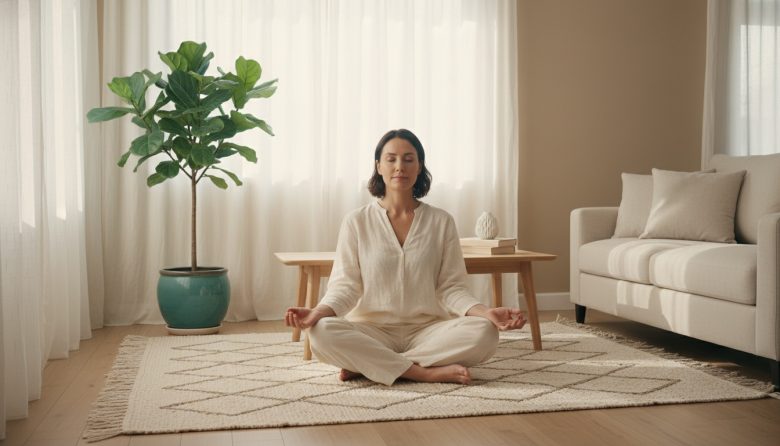
Last week, during a packed workday with back-to-back calls, I felt my shoulders tighten and my mind race. I paused at my desk, closed my eyes, and took five slow breaths—focusing just on the air moving in and out. That simple shift brought a wave of calm, easing the knot in my chest without anyone noticing.
Mindful breathing often helps by activating the vagus nerve, which signals your body to switch from the stress-driven sympathetic response to the parasympathetic "rest and digest" mode. This can lower heart rate and cortisol levels, making it a quick tool for relaxation. In this guide, I'll share why it works, techniques to try, and ways to fit it into your day, drawing from my routine.
Expect benefits like reduced tension, better focus, and steadier energy—though results vary by person. We'll cover setup tips, a comparison table of techniques, daily ideas, tracking methods, and safety notes. Try one breath practice today; notice how your body responds right away.
Why Mindful Breathing Shifts Your Stress Response
Mindful breathing engages your parasympathetic nervous system, which counteracts the "fight or flight" mode triggered by stress. When you focus on slow, intentional breaths, it often helps regulate heart rate and reduce cortisol, the stress hormone that builds up during tense moments.
For example, before a meeting when nerves kick in, a few mindful breaths can signal your body to relax. Studies show this practice tends to lower blood pressure and ease muscle tension over time. It's not magic, but a reliable way to interrupt stress patterns.
In my routine, I use it during evening wind-downs. This shift supports better sleep by calming the mind before bed. Plainly, it's like pressing a reset button on your body's alarm system.
Creating a Low-Pressure Space for Your Practice
I keep a cozy corner on my couch with a soft blanket and low lamp—no fancy setup needed. Start by choosing a quiet spot where you won't be disturbed, like a chair by a window. Dim the lights if possible to signal relaxation to your brain.
Use a gentle timer on your phone for 2-5 minutes at first. Begin with a quick body scan: notice tension in your shoulders or jaw without judging it. This low-pressure approach makes practice inviting, not overwhelming.
Experiment with what feels right—some prefer sitting upright, others lying down. In my day, this space becomes a go-to after lunch. Track how the environment affects your ease into breathing.
To complement your setup, incorporating elements from a 10-Day Hydration Plan with Easy Food Swaps can enhance overall calm, as steady hydration supports steady nerves.
Mindful Breathing Techniques Comparison
These four techniques offer variety for different needs—pick one based on time or situation. The table below compares them clearly, so you can see steps, duration, and ideal times at a glance. Start with the simplest that appeals.
| Technique | Steps | Duration | Best Moments |
|---|---|---|---|
| 4-7-8 Breathing | 1. Inhale quietly through nose for 4 counts. 2. Hold for 7 counts. 3. Exhale through mouth for 8 counts, pursing lips. | 4 rounds (2-4 min) | Bedtime or high anxiety |
| Box Breathing | 1. Inhale for 4 counts. 2. Hold for 4. 3. Exhale for 4. 4. Hold for 4. Repeat smoothly. | 5 rounds (4-5 min) | Pre-meeting focus or desk breaks |
| Diaphragmatic Breathing | 1. Hand on belly. 2. Inhale deeply so belly rises (not chest). 3. Exhale slowly, feeling belly fall. Focus on rhythm. | 5-10 min | Morning routine or post-meal |
| Alternate Nostril Breathing | 1. Close right nostril, inhale left. 2. Close left, exhale right. 3. Inhale right, exhale left. Alternate. | 5-7 rounds (5 min) | Afternoon energy dip or clarity boost |
Notes: Adjust counts if they feel strained—shorter is fine for beginners. Each activates relaxation pathways differently; box breathing suits quick resets, while diaphragmatic builds deeper calm. Try one daily this week.
Fitting Quick Breaths into Your Daily Flow
1. Morning wake-up: Right after brushing teeth, do 4-7-8 for two minutes. It sets a calm tone, easing into the day.
2. Desk reset: Every two hours, pause for box breathing. I do this during work slumps; it sharpens focus without caffeine.
3. Commute or wait time: Use diaphragmatic breaths while seated. Notice your belly move—it's discreet and grounding.
4. Evening unwind: Alternate nostril before dinner. Pair it with steps from a Daily Self-Care Routine for Radiant Skin and Energy for fuller relaxation.
5. Pre-sleep: Lie down with any technique for five minutes. Track your energy afterward in a quick note. These slots make practice habitual, not effortful.
For sustained hydration that amplifies these effects, explore a How to Pick Everyday Foods That Keep You Hydrated approach alongside your breaths.
Sensing Subtle Shifts in Energy and Calm
Track simple signals like tension levels on a 1-10 scale before and after sessions. Note mood or energy in a phone app or journal—patterns emerge quickly.
I log how my jaw feels looser post-practice. Over a week, watch for better sleep onset or fewer racing thoughts. This feedback guides adjustments.
Experiment freely: if mornings energize more, lean there. Celebrate small wins, like steadier breaths during stress. Your body’s cues are the best measure.
Safety Notes and When to Ease In Gently
Most find mindful breathing gentle, but stop if you feel dizzy—shorten inhales or open your eyes. It may briefly surface emotions; that's normal, just observe without force.
If you have respiratory issues like asthma, consult a doctor first. Start slow, 1-2 minutes, building as comfortable. Breathe naturally if a technique feels off.
Pregnant or with panic history? Ease in with guidance. These notes keep practice supportive and safe.
FAQ
How often should I practice mindful breathing?
Start with 5 minutes daily, perhaps split into two sessions. Many notice benefits from consistency, but listen to your energy—some thrive on three times a week. Adjust based on your stress levels and how your body responds.
Can beginners with racing thoughts benefit right away?
Often yes, even with wandering minds—gently return focus to breath without self-criticism. Persistence builds ease over days. It tends to quiet mental chatter faster than expected for most starters.
Does this replace therapy for anxiety?
No, it complements professional care nicely. Mindful breathing can reduce daily tension, but for deeper anxiety, pair with therapy or meds as advised. Consult pros for tailored support.
What if I feel lightheaded during practice?
Pause immediately, breathe normally through your nose, and sit upright. This is common early on as your body adjusts—shorten sessions next time. If persistent, check with a doctor.
How do I know it's working for relaxation?
Look for signals like easier sleep, lower tension, or calmer reactions to stress. Track mood and energy weekly; variations are normal. Subtle shifts compound over time.