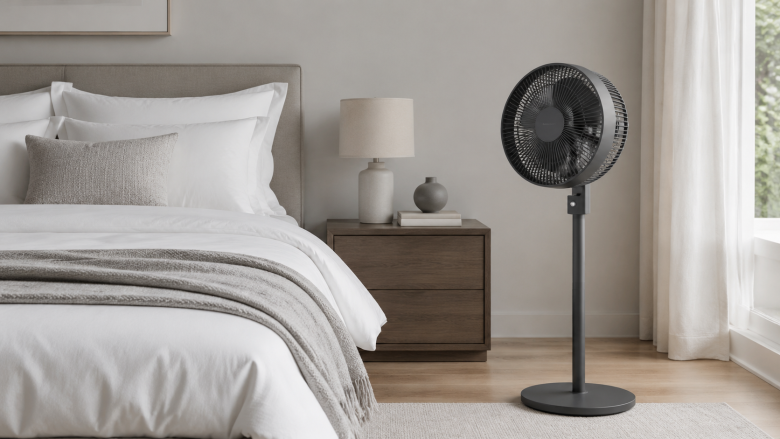
The Cold Room Is Just the Beginning
Yes, sleeping in a cool room works. The ideal range is 60 to 67 degrees Fahrenheit, and your body's core temperature needs to drop by about 1 to 2 degrees to initiate and maintain deep sleep. But here's the thing nobody tells you: a cold room alone won't fix your sleep if your behavioral patterns are working against it.
I learned this the hard way. I spent months obsessing over my thermostat, cranking the AC down to 64 degrees, only to lie awake staring at the ceiling. The room was cold. My body was cold. But my mind was still racing from a late-night work session and a glass of wine I'd had at 9 PM.
What I eventually figured out - and what this article will show you - is that the cool room is the environmental anchor for a much larger wind-down ritual. Temperature matters. But it only works when your timing, behavior, and bedding align with it. I call this the Cold Room, Calm Mind protocol.
Why Your Body Needs to Cool Down to Fall Asleep
Your body has an internal thermostat, and it's deeply tied to your circadian rhythm. As evening approaches, your core body temperature naturally begins to drop. This drop signals to your brain that it's time to produce melatonin and prepare for sleep. By the time you're actually asleep, your core temperature has fallen by about 1 to 2 degrees from its daytime peak.
When you sleep in a room that's too warm, you're fighting this natural process. Your body has to work harder to shed heat, which means it stays more alert. A cool room - in that 60 to 67 degree range - makes it easier for your body to achieve the temperature drop it's already trying to make.
Is It Healthier to Sleep in a Cool Room?
Yes, for most people. Research published by the Sleep Foundation indicates that cooler bedroom temperatures are associated with faster sleep onset and deeper slow-wave sleep. There's also evidence that a cooler sleep environment helps your body maintain its natural temperature rhythm, which supports better overall sleep quality.
But "healthier" comes with caveats. If you have poor circulation, you might find a 62-degree room genuinely uncomfortable. The same goes for anyone who's underweight or lacks body fat to insulate against the cold. The goal isn't to make yourself miserable - it's to find the temperature where you can sleep comfortably under a blanket without waking up sweating.
The Cold Room, Warm Blanket Paradox
Here's the paradox that confuses a lot of people: you want the room cool, but you also want to feel warm under your covers. These two things seem contradictory, but they're actually the perfect combination.
Your body needs the ambient environment to be cool so it can shed excess heat. But your skin - especially your hands, feet, and face - needs to feel warm and comfortable to relax. When you're under a warm blanket in a cool room, you get both: your core can release heat into the cooler air, while your extremities stay cozy and signal your nervous system to calm down.
This is why sleeping naked under a thin sheet in a 70-degree room often fails. Your extremities get cold, your body tenses up, and you can't relax. The winning formula is a cool room (60-67 degrees) plus a blanket that keeps you warm without trapping excessive heat.
The practical takeaway: invest in breathable layers. A lightweight duvet with a cotton cover, or a wool blanket that regulates temperature, gives you the warmth you need without the sweat. Avoid heavy synthetic comforters that trap heat and make you toss and turn by 3 AM.
The 3-3-3 Rule: The Behavioral Layer Nobody Talks About
Most articles about cool-room sleeping stop at temperature. They tell you to set the thermostat, open a window, or use a fan. But what they miss is that your body's cooling mechanism only works if your behavior supports it. This is where the 3-3-3 rule comes in.
What Is the 3-3-3 Rule for Sleep?
The 3-3-3 rule is a simple framework for timing your pre-sleep routine. It goes like this:
- 3 hours before bed: Stop eating and drinking alcohol. Digesting food raises your core temperature and keeps your metabolism active. Alcohol might make you drowsy, but it disrupts your body's ability to regulate temperature during the night.
- 2 hours before bed: Stop working. This includes checking emails, scrolling through Slack, or any mentally demanding task. Your brain needs time to disengage from problem-solving mode.
- 1 hour before bed: Turn off screens. The blue light from phones and laptops suppresses melatonin production, which directly interferes with your body's natural cooling signal.
When I first tried the 3-3-3 rule, I made the mistake of thinking I could bend it. I'd eat dinner at 8 PM for an 11 PM bedtime and assume that was close enough. It wasn't. Digestion kept my core temperature elevated well past midnight, and I'd wake up feeling groggy. The rule works because it gives your body a full three hours to complete the digestive process and start its cooling cycle.
If you're someone who genuinely can't stop working 2 hours before bed - and I've been there - try at least shutting down your laptop and switching to a physical notebook for the last hour. The simple act of typing versus writing changes how your brain processes information.
For a deeper dive into wind-down practices that pair well with the 3-3-3 rule, check out our Evening Relaxation Plan for Deeper Sleep Naturally.
Japanese Sleep Wisdom: Ma and the Art of Cool Rest
Japanese sleep culture has something to teach us about the cool room approach. In Japan, the concept of ma - which roughly translates to "gap," "space," or "pause" - is applied to many aspects of life, including sleep. The idea is that you create intentional space between things: between your day and your night, between your work and your rest, between your body and the environment.
Do Japanese Sleep in Cold Rooms?
Not exactly in the way you might think. Traditional Japanese homes are not heavily insulated, so bedrooms naturally get cool in the winter and warm in the summer. Rather than blasting AC, the Japanese approach is to work with the natural environment. In summer, people use lightweight cotton yukata robes and breathable linen sheets. In winter, they layer futons and use kotatsu tables for warmth during the day, then sleep in cooler bedrooms at night.
The key insight isn't that Japanese people sleep in cold rooms per se - it's that they embrace the natural temperature drop of evening and dress their beds accordingly.
What Is the Japanese Trick to Sleep?
The most practical Japanese sleep trick is the futon layering system. A traditional futon setup isn't just a mattress - it's a layered system you can adjust based on the season. In summer, you use a thin cotton mattress pad with a breathable cover. In winter, you add a wool blanket underneath and a heavier duvet on top.
This layering approach gives you the "cool room, warm blanket" paradox I described earlier. The room can be cool, but your body stays warm because of what's directly against your skin. You can adjust each layer independently, which means you're not stuck with one blanket that's either too hot or too cold.
Another Japanese practice worth adopting is the yoku - a warm bath or shower about 1 to 2 hours before bed. This might seem counterintuitive given the cool-room focus, but it actually works. The warm bath raises your core temperature slightly, and then the subsequent cooldown as you move into a cooler room accelerates the temperature drop your body needs for sleep. Just don't take the bath too close to bedtime, or your core temperature will still be elevated.
If you want to incorporate gentle movement into your wind-down routine, our Weekly Gentle Yoga Routine for Better Flexibility includes poses specifically designed for evening relaxation.
My Experience: What Actually Works (and What I Got Wrong)
I mentioned earlier that I spent months obsessing over temperature without fixing my sleep. Let me be more specific about what went wrong and what eventually worked.
My first mistake was thinking that a colder room was always better. I set my thermostat to 62 degrees and slept under a heavy down comforter. By 2 AM, I'd kicked the blanket off, my feet were freezing, and I was half-awake. The problem wasn't the temperature - it was the mismatch between the room and my bedding.
My second mistake was ignoring my pre-sleep behavior. I'd eat a heavy dinner at 9 PM, watch a stressful show, and then scroll through my phone in bed. The room was cold, but my body was still in "active" mode. The temperature couldn't compensate for my behavior.
Here's what actually worked:
- I moved my dinner to at least 3 hours before bedtime and made it lighter.
- I switched to a breathable cotton duvet and a thin wool blanket underneath.
- I started using a fan for white noise and airflow, even when the AC was on.
- I committed to shutting off all screens 45 minutes before bed - not a full hour at first, but I worked up to it.
- I wore thin wool socks to bed. Most people don't realize that cold feet are one of the biggest sleep disruptors. A pair of lightweight socks keeps your extremities warm, which helps your body relax and lowers your core temperature.
The combination of these changes - not just the temperature - is what made the difference. I went from waking up 3 to 4 times a night to sleeping through most nights within two weeks.
Practical Cooling Tactics That Actually Work
Beyond the basics of setting your thermostat to 60-67 degrees, there are several practical tactics that can make a real difference, especially if you don't have AC or your room runs warm.
Airflow Management
A ceiling fan or a simple box fan placed near a window can dramatically improve airflow. The key is to create cross-ventilation: open a window on one side of the room and place the fan facing out on the other side. This pulls cool night air through the room and pushes warm air out.
If you're using a fan, position it so it doesn't blow directly on your face. Direct airflow can dry out your eyes and nasal passages, which is uncomfortable and can actually disrupt sleep. Aim the fan at your legs or feet instead.
Bedding Choices
Your bedding matters more than your thermostat. Here's a quick comparison:
- Cotton sheets: Breathable and absorbent. Great for summer. Choose a high thread count (400+) for softness and breathability.
- Linen sheets: Even more breathable than cotton. Good for humid environments. Rougher texture but gets softer with washing.
- Wool blankets: Excellent temperature regulation. Keeps you warm without trapping heat. Works well as a middle layer.
- Down comforters: Warm but can trap heat. Choose a lightweight down comforter with a breathable cover if you sleep in a cool room.
- Synthetic microfiber: Avoid for summer or hot sleepers. Traps heat and doesn't breathe well.
Gel-Infused Pillow Toppers
If you're a hot sleeper, a gel-infused pillow or topper can help. These products absorb and dissipate body heat, keeping your head and neck cooler. They're not a replacement for a cool room, but they can make a noticeable difference if you tend to wake up with a sweaty pillow.
The Cold Water Bottle Trick
Here's a low-tech trick that works: fill a water bottle about two-thirds full, freeze it, wrap it in a thin towel, and place it near your feet or at the foot of your bed. As it slowly melts, it creates a localized cooling effect that helps your body regulate temperature. This is especially useful if you don't have AC or if your room runs warm despite your best efforts.
Building Your Complete Cold Room Sleep Protocol
Here's the step-by-step protocol I wish I'd had when I was struggling. It combines temperature, timing, and behavior into a single system.
Step 1: Set Your Environment (30 Minutes Before Bed)
- Adjust your thermostat to between 60 and 67 degrees Fahrenheit. Start at 65 and adjust from there.
- Turn on a fan for airflow and white noise. Position it away from your face.
- Darken the room completely. Use blackout curtains or a sleep mask.
- Choose your bedding based on the season: breathable cotton or linen for summer, a wool layer plus lightweight duvet for winter.
Step 2: Follow the 3-3-3 Rule (Throughout the Evening)
- 3 hours before bed: finish your last meal. Keep it light. Avoid alcohol.
- 2 hours before bed: stop working. Close your laptop. Put your phone on silent.
- 1 hour before bed: turn off screens. Read a physical book, take a warm bath, or do gentle stretching.
Step 3: Wind Down With Intention (30 Minutes Before Bed)
- Take a warm shower or bath. This raises your core temperature slightly, so the subsequent cooldown in your cool bedroom accelerates the temperature drop your body needs.
- Put on thin wool socks to keep your extremities warm.
- Do 5 to 10 minutes of gentle stretching or deep breathing. The goal is to signal to your body that the day is over.
Step 4: Get Into Bed (0-5 Minutes)
- Get into bed at the same time every night, even on weekends. Consistency reinforces your circadian rhythm.
- If you're still awake after 20 minutes, get out of bed and do something calm in another room until you feel sleepy. Don't lie in bed frustrated.
This protocol might seem like a lot at first, but you can start with just one or two components and build up. The temperature alone won't fix your sleep. The behavior alone won't either. It's the combination that creates the "cold room, calm mind" effect.
If you're also dealing with daytime discomfort from poor posture, our guide on Easy Tips for Better Posture Throughout the Day can help you reduce physical tension that might be carrying over into your sleep.
Common Mistakes and How to Avoid Them
Even with the right protocol in place, there are several mistakes that can undermine your cool-room sleep strategy. Here's what to watch out for.
Mistake 1: Making the Room Too Cold
There's a limit to how cold is helpful. If your room drops below 60 degrees, your body has to work to stay warm, which can actually disrupt sleep. You might shiver, curl up tightly, or wake up with stiff muscles. The sweet spot is 62 to 67 degrees for most people.
Mistake 2: Using Heavy Blankets in a Cool Room
A heavy down comforter in a 62-degree room can trap so much heat that you wake up sweaty. The solution is layering: use a thin cotton sheet plus a lightweight wool or cotton blanket. You can always add a layer if you're cold, but you can't remove heat that's trapped under a heavy comforter.
Mistake 3: Eating Too Close to Bedtime
Even if you follow the 3-3-3 rule loosely, eating a heavy meal within 2 hours of bed raises your core temperature and keeps your digestive system active. If you're hungry before bed, have a small snack like a banana or a handful of almonds - something light that won't spike your metabolism.
Mistake 4: Ignoring Your Feet
Cold feet are a major sleep disruptor. Your body has specialized blood vessels in your hands and feet called arteriovenous anastomoses (AVAs) that help regulate temperature. When your feet are cold, these vessels constrict, which actually raises your core temperature. Wearing thin socks to bed helps keep your feet warm and your core cool.
Mistake 5: Relying Only on Temperature
This is the biggest one. The cool room is the anchor, not the whole story. If you're stressed, anxious, or mentally wired from a late night of screen time, no temperature will fix that. The 3-3-3 rule and the wind-down routine are just as important as the thermostat.
When a Cool Room Isn't Enough
There are situations where even the perfect cool room won't solve your sleep problems. If you've tried the protocol for two to three weeks and you're still struggling, it might be worth looking at other factors.
Sleep apnea, chronic pain, anxiety disorders, and hormonal changes can all affect sleep quality regardless of your bedroom temperature. If you're consistently waking up exhausted, snoring loudly, or gasping for air at night, talk to a healthcare provider. A sleep study might be worth considering.
Also, if you live in an extremely hot or humid climate, you might need a more robust cooling solution - like a portable AC unit or a dehumidifier - to get your room into the optimal range. A fan alone won't cut it when the ambient temperature is 85 degrees.
The Bottom Line
Sleeping in a cool room is one of the most effective strategies for better sleep - but it's not a magic bullet. The cold room works because it helps your body achieve the natural temperature drop it needs to fall asleep and stay asleep. But that temperature drop only happens when your behavior supports it.
The Cold Room, Calm Mind protocol combines three elements:
- Temperature: Keep your bedroom between 60 and 67 degrees, with breathable bedding that keeps you warm without trapping heat.
- Timing: Follow the 3-3-3 rule to give your body time to digest, wind down, and disconnect from screens.
- Behavior: Build a wind-down routine that includes a warm bath, light stretching, and consistent sleep timing.
Start with the temperature. It's the easiest change to make. Then add the 3-3-3 rule. Then work on your wind-down routine. You don't have to do everything at once. But when all three elements come together, you'll understand what "cold room, calm mind" really means.