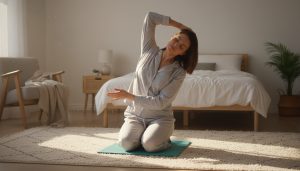
Picture this: you’re dashing from a back-to-back meeting to pick up groceries, your mind buzzing like a hive, heart pounding from the rush. That familiar knot in your stomach signals stress overload, but what if a simple tool could hit pause without stealing precious minutes? Deep breathing steps in as your quick reset button, offering calm amid chaos.
Science shows it can dial down tension fast, easing your body’s fight-or-flight mode. No apps or gear needed—just your breath. You’ll discover easy techniques that fit anywhere, from desk to driveway. Try one now: inhale slowly through your nose for four counts, exhale through your mouth for six. Feel that subtle shift already?
These practices draw from wellness research, helping many folks sharpen focus and lift mood on hectic days. They’re beginner-friendly, building confidence with each breath. Ready to weave them into your routine? Let’s explore how deep breathing becomes your secret ally for smoother days.
Why Deep Breathing Tames Your Stress Response on Hectic Days
Deep breathing often helps shift your body from stress mode to rest mode. When life piles on—emails flooding, deadlines looming—your sympathetic nervous system kicks in, raising cortisol and heart rate. Slow, intentional breaths activate the parasympathetic response, signaling safety and calm.
This process boosts heart rate variability, a marker of resilience backed by studies on mindfulness practices. It tends to lower blood pressure and sharpen mental clarity, making it ideal for busy schedules. Think of it as flipping a switch: one minute of deep inhales can often ease racing thoughts.
For example, during a tense commute, a few cycles may steady your nerves, improving focus for the next task. Results vary, but many notice quicker emotional resets. This isn’t about perfection; it’s a gentle tool to reclaim steadiness amid the storm.
Over time, regular use can help regulate your stress response, fostering better sleep and energy. Pair it with everyday anchors like traffic lights for seamless integration. Science-informed yet simple, it empowers you to handle hectic days with more ease.
Diaphragmatic Breathing: Your Foundation for Calm in the Storm
Start here: diaphragmatic, or belly breathing, engages your diaphragm for deeper oxygen flow. Place one hand on your belly, the other on your chest. Inhale slowly through your nose for four counts—watch your belly rise like a gentle wave, chest staying mostly still.
Exhale through pursed lips for six counts, feeling your belly fall softly. Imagine exhaling tension as warm air. This visual cue keeps it light and photo-ready in your mind: belly expands on in, contracts on out.
Practice lying down first to sense the motion, then sit or stand. It feels empowering, like tuning an instrument for clearer notes. Beginners often love the immediate relaxation in shoulders and jaw.
Do 5-10 rounds whenever tension builds. This foundation breath builds confidence, prepping you for busier moments. Feel the rhythm: in for calm, out for release.
5 Steps to Weave Deep Breaths into Your Day
-
Morning Anchor Breath: Right after your alarm, sit up and do three diaphragmatic cycles. Visualize sunlight filling your lungs. Track how it sets a steady tone—note your energy in a quick journal jot.
-
Desk Reset: Between tasks, pause for box breathing: inhale 4, hold 4, exhale 4, hold 4. Picture a square forming with each phase. This often clears mental fog; check your focus afterward.
-
Transition Trigger: Before shifting activities—like ending a call—take two deep belly breaths. Use the doorframe as your cue. It smooths handoffs, building flow confidence.
-
Midday Pause: At lunch, try a 1-minute scan: breathe deeply while noting tense spots. Pair it with simple tips for mindful eating every meal to amplify calm. Feel your body unwind step by step.
-
Evening Release: Before bed, exhale worries with six long breaths. Imagine releasing the day’s weight like leaves in wind. Track sleep quality to see patterns emerge.
These steps fit like puzzle pieces into packed days. Experiment one at a time, tweaking for your rhythm. Visual cues make them stick, turning breaths into natural habits.
Quick Breath Variations for Meetings, Commutes, and Multitasking
Box breathing shines in meetings: 4-4-4-4 cycle, subtle under the table. It often steadies nerves during tough talks. Keep eyes open, focus on a pen tip for discretion.
On commutes, alternate nostril breathing calms transit jitters. Close right nostril, inhale left; switch on exhale. Picture cool air balancing your energy—like a gentle sway with the road. Do 4 rounds for focus.
For multitasking, try 4-7-8: inhale 4 nose, hold 7, exhale 8 mouth. Great at your desk amid chaos. It may deepen relaxation fast; notice jaw softening as a win.
Resonant breathing at 5-6 breaths per minute suits quick breaks. Use a timer app softly. Pair a session with how to brew soothing herbal teas in minutes for extra nurture. These variations build versatility, boosting your calm toolkit.
Each takes under a minute, fitting sneaky spots. Confidence grows as you mix them fluidly. Watch how they lift your mood across scenarios.
Safety Notes and When to Pause for Deeper Support
Deep breathing suits most people well, often feeling refreshing right away. If you have respiratory conditions like asthma, start with shorter sessions and check with your doctor. Dizziness is rare but signals to ease up and sip water.
Listen to your body: if breaths feel strained, shorten counts or stick to natural rhythm. It’s non-alarmist—most find it supportive. For anxiety, it can help ground you, but pair with professional care if needed.
Pregnant folks or those with recent surgery may adapt gently. Always prioritize comfort. This keeps practices safe and sustainable.
Turning One-Off Breaths into a Confidence-Boosting Daily Rhythm
Build momentum by linking breaths to cues: phone buzz, meal start, or beginner’s guide to balanced everyday meals. Experiment freely—what sparks joy? Track simple signals like post-breath energy or evening unwind.
Set soft reminders, like every second hour. Notice patterns: does morning anchor lift your whole day? Light adjustments refine your flow.
After a week, review notes—mood steadier? Sleep deeper? This tracking motivates, turning breaths into a rhythm you trust. Share wins with a friend for extra lift.
Combine with nurturing rituals, like a breath before sipping tea. Confidence blooms as resets become second nature. You’re crafting resilience, one easy inhale at a time.
Challenge: track one week, noting three favorite spots. Feel the shift toward calmer, capable days. You’ve got this—breathe into it!
FAQ
How long until I notice benefits from deep breathing?
Many feel calmer within minutes during acute stress, like a quick tension drop. Consistent practice over days or weeks often enhances mood and sleep quality. Benefits vary by person—track your energy or focus to spot yours.
Can I do deep breathing if I have anxiety or asthma?
It’s generally helpful for anxiety, offering grounding without overwhelm—start with 2-3 cycles. For asthma, shorter gentler breaths work; consult your doctor for tailored advice. Guardrails like seated practice and body listening keep it safe.
What’s the best time for deep breathing on busy days?
Anytime stress spikes shines brightest, like transitions or overload moments. Mornings anchor your day, evenings release it—experiment to find your sweet spots. Flexibility makes it a busy-day hero.
Do I need a quiet space for effective deep breathing?
No, it’s discreet anywhere—from meetings to lines. Subtle cues like focusing on your hands keep it private. Public practice builds real-world confidence.
How do I know if I’m breathing deeply enough?
Check belly rising over chest, shoulders relaxed, no strain. A self-scan feels natural: pause mid-breath, adjust if tense. Practice confirms the easy flow unique to you.