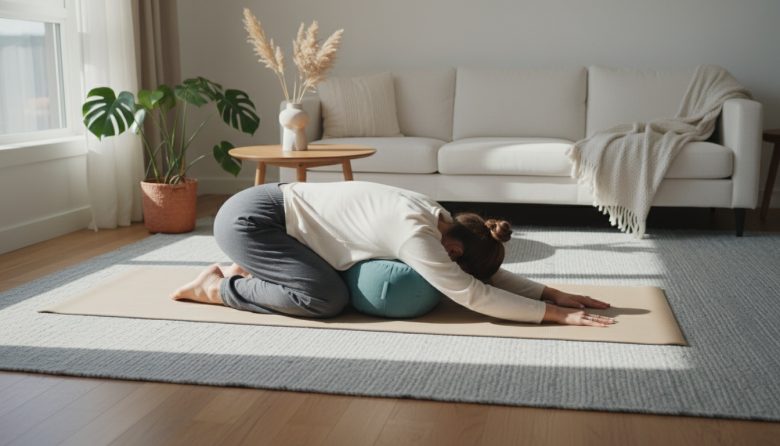
Picture this: you’re juggling a busy day, tension creeping into your shoulders, but a few deep breaths later, everything softens. Gentle home yoga flows offer that calm without needing a studio or fancy skills. These beginner-friendly sequences build confidence through simple moves that feel good right away.
We’ll explore why they work, how to set up your space, breath foundations, and three timed flows for morning energy, midday resets, and evening unwind. Start small—maybe just five minutes—and notice how your body responds. Over time, this practice can spark more ease in your routine.
To weave in reflection after practice, consider How to Start a Quick Journaling Habit for Clarity. It pairs naturally with noting how flows shift your mood.
Why Gentle Flows Tune Into Your Body’s Natural Calm Signals
Gentle yoga flows often activate the parasympathetic nervous system, your body’s rest-and-digest mode. This shift from stress response helps lower cortisol levels, easing muscle tension over time. Slow, mindful movements encourage deeper breathing, which signals safety to your brain.
Holding poses softly improves flexibility without strain, as tissues gradually lengthen. Mindful flow supports mood by releasing endorphins through gentle twists and stretches. Studies on similar practices show they may enhance emotional balance, especially when done regularly.
These flows tune into natural calm signals like slower heart rates and relaxed breaths. They build body awareness, helping you notice tension early. With consistency, many feel steadier energy throughout the day.
Unlike intense workouts, gentle flows prioritize sensation over perfection. This approach often reduces overwhelm for beginners. Your body learns to release holding patterns naturally.
Cozy Up Your Space for Effortless Home Practice
Clear a quiet corner—roll out a mat or soft blanket on the floor. Dim the lights or add a warm lamp for a soothing glow; imagine sunlight filtering through as you move. Stack pillows nearby as props for support.
Play soft instrumental music or nature sounds at low volume. Wear comfy clothes that allow free movement, like loose pants and a soft tee. Keep water and a towel within reach for hydration pauses.
Visualize your space like a photo: mat centered, props aligned, candles flickering if you like. This setup invites calm before you begin. It makes practice feel like a treat, not a chore.
Experiment with scents—lavender or eucalyptus essential oils on a cloth. Position a mirror if you want form cues, or face a window for fresh air. A cozy nook encourages daily returns.
Anchor Every Flow with Simple Breathwork Foundations
Start with belly breaths: sit tall, hand on belly, inhale to expand it like a balloon, exhale fully. Feel your sides widen—hold for four counts in, six out. This grounds you in the present.
Try 4-7-8 breathing: inhale for four, hold seven, exhale eight through pursed lips. Picture a wave smoothing your edges; it often calms racing thoughts quickly. Repeat four rounds before flowing.
Alternate nostril breaths: close right nostril, inhale left; close left, exhale right. Switch sides smoothly, like a gentle breeze. This balances energy for clearer focus.
Box breathing suits any flow: equal inhales, holds, exhales, holds at four counts each. Visualize tracing a square with your breath. These techniques prime your body for relaxed movement.
Notice sensations—chest rising, belly softening. Keep tips light; if mind wanders, return kindly. Breath anchors every pose that follows.
Morning Sun Salutations: Gentle Twists to Spark Your Day
Begin standing, feet hip-width: inhale arms up like reaching for sun, exhale fold forward softly, knees bent. Imagine photo of golden light on your back. Step right foot back, then left into low lunge.
Flow to plank on knees, then lower to belly. Cobra lift: hands under shoulders, gaze up gently. This builds gentle energy without rush.
Child’s pose rest: knees wide, arms forward, forehead down. Hold 20-30 seconds each side. Twist in lunge: right elbow to left knee, breathe deep.
Repeat 3-4 rounds, 10 minutes total. Link this to your Gentle Morning Routine to Start Your Day Calmly for a seamless start. Feel warmth spreading.
Safety note: bend knees freely, skip plank if wrists ache—drop to forearms. Move slow to avoid dizziness.
Midday Refreshers: Seated Flows for Quick Tension Release
Sit on chair or floor: cross legs, twist right—left hand on right knee, gaze over shoulder. Inhale lengthen spine, exhale twist deeper. Hold 20 seconds, switch.
Seated cat-cow: hands on knees, arch back inhale, round exhale like a wave. Feel neck and shoulders melt. Forward fold: hinge at hips, arms drape.
Neck rolls: drop chin, circle ear to shoulder slowly. Wrist flexes: extend arm, pull fingers back gently. These 5-minute flows fit desks perfectly—no mat needed.
Transition smoothly, breath-led. Notice desk hunch releasing. Repeat as needed for quick resets.
Visualize a photo of you upright, shoulders down—posture perks instantly. Keep eyes soft, room calm.
Evening Melts: Restorative Poses for Deeper Sleep Prep
Lie back, knees to chest hug—rock side to side. Legs up wall: scoot hips close, legs extend skyward, pillow under hips. Breathe into hamstrings softening, 2-3 minutes.
Supported bridge: block or pillow under sacrum, feet flat. Arms wide, palms up. This supports circadian wind-down.
Reclined twist: knees to right, arms T-shape. Gaze left, hold pillow between knees. Switch sides.
End savasana: lie flat, palms up, cover eyes with cloth. Scan body for release. 15 minutes preps restful sleep.
Use pillows for lift—avoid if neck issues; prop head. Consult doc for recent injuries. Gentle props make it accessible.
Beginner Gentle Yoga Flow Options
| Flow Name | Duration | Best Time | Key Focus | Props Needed |
|---|---|---|---|---|
| Morning Sun Salutations | 10 min | Morning | Energy boost | None |
| Midday Refreshers | 5 min | Midday | Tension release | None |
| Evening Melts | 15 min | Evening | Sleep prep | Pillows/blocks |
Pick one flow to try daily this week. Track simple signals like your energy or post-practice mood in a note. Adjust based on what feels best—small tweaks build lasting habits.
After flowing, nourish with greens; see How to Add More Leafy Greens to Your Meals Easily for easy ideas. Experiment freely, celebrating each session.
Safety Notes and Building Confidence Step by Step
Listen to your body—ease out of any pose causing sharp pain. Modify with props or shorter holds; never force. Breath shortens? Rest in child’s pose.
If pregnant, injured, or new to movement, check with a doctor first. Beginners often progress by adding one minute weekly. Confidence grows through gentle consistency.
Progress tips: film yourself for form checks, join online gentle classes later. Track wins like better sleep. This builds trust in your body’s wisdom.
Frequently Asked Questions
Can I do gentle yoga if I’m new and inflexible?
Yes, these flows are designed for beginners with built-in modifications like bent knees or props. Inflexibility often eases with slow practice; bodies adapt at their pace. Start where comfortable, variation is normal.
How often should beginners practice these flows?
Aim for 3-5 times per week to notice shifts in mood or tension, but even twice helps. Track your energy to find your rhythm—listen over forcing. Rest days prevent burnout.
What if a pose feels uncomfortable?
Modify by widening stance, using props, or skipping entirely—discomfort is a signal to adjust. Sharp pain means stop; dull stretch can ease with breath. Prioritize ease for long-term joy.
Do I need fancy gear to start home yoga?
No, blankets and pillows work as props; a towel substitutes for a strap. Basics suffice for these flows. Invest later if it sparks joy.
How long until I notice benefits like better sleep?
Varies by person, but many see calmer evenings in 2-4 weeks with consistency. Track sleep quality nightly. Pair with routines for faster cues.